
Desserts
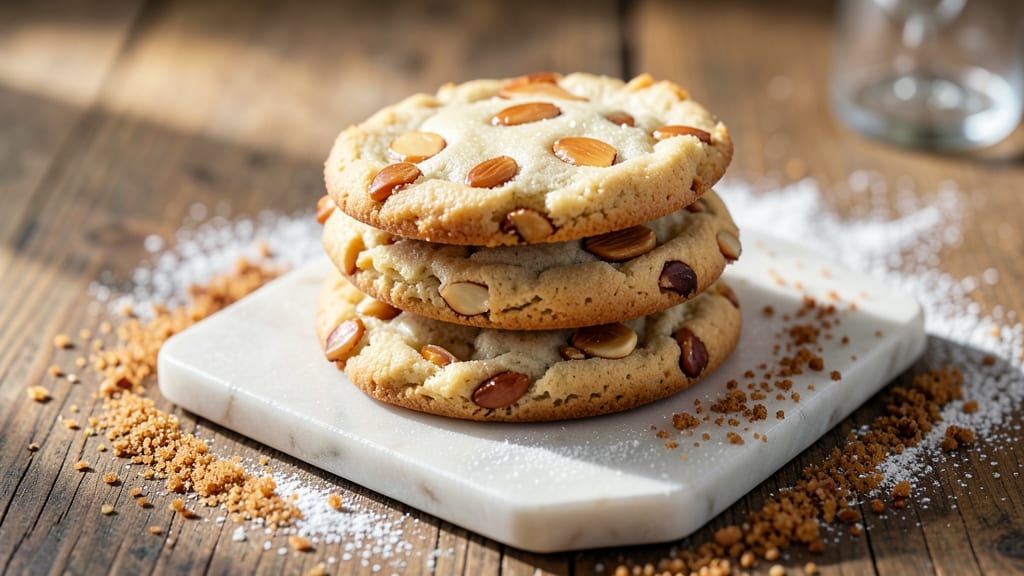
This almond sandies cookie recipe delivers the perfect balance of nutty crunch and buttery swirls that make every bite irresistible. 💛 The secret lies in toasted almonds folded into a rich dough, creating pockets of flavor with each tender, golden cookie.
I've perfected this recipe over years of baking, ensuring crisp edges and a melt-in-your-mouth center that disappears too quickly.
What sets these cookies apart is their harmonious texture—crispy almond bits contrast beautifully with the soft, buttery cookie base. The recipe uses simple ingredients you likely already have, including all-purpose flour, butter, and almonds, but it's the technique that elevates them to restaurant-quality.
Baking at 350°F for 12-14 minutes ensures they're perfectly golden without burning.
Once cooled, these cookies develop that signature crispness while maintaining a tender interior. The aroma alone will have everyone gathering in the kitchen, and the nutty flavor pairs perfectly with a glass of milk or coffee.
Whether you're baking for a holiday gathering or just craving a classic treat, these almond sandies never disappoint.
For extra indulgence, try adding a touch of vanilla extract or a sprinkle of flaky sea salt before baking. The variations are endless, but the foundation remains the same—simple, foolproof, and utterly delicious. Let's get baking!
Ingredients for almond sandies cookie
Twelve ingredients transform into golden, nutty cookies with crisp edges and tender centers.
| Ingredient | Amount | Notes |
|---|---|---|
| Unsalted Butter 🧈 | 1 cup | Cold, cubed for even baking |
| Granulated Sugar 🍚 | 1 cup | White or light brown |
| Packed Light Brown Sugar 🍚 | ½ cup | For subtle caramel notes |
| All-Purpose Flour 🌾 | 2 cups | Sifted, spooned lightly |
| Pure Vanilla Extract 🍯 | 1 tsp | High-quality for flavor |
| Large Egg Yolks 🥚 | 2 whole | Room temperature preferred |
| Toasted Whole Almonds 🥜 | 1 ½ cups | Skin-on, lightly toasted |
| Diamond Crystal Kosher Salt 🧂 | ½ tsp | Fine grain preferred |
| Flaky Sea Salt 🧂 | 1 tsp | For finishing (optional) |
| Baking Soda 🧪 | ¼ tsp | For lift and texture |
| Ground Cinnamon 🌿 | ½ tsp | Warm, aromatic variety |
| Unsweetened Almond Flour 🥜 | ¼ cup | For enhanced almond flavor |
The butter and sugars form the foundation—European-style butter like Plugrá or Land O'Lakes unsalted delivers the richest flavor. For the almonds, Blue Diamond skin-on almonds toast beautifully in a dry skillet over medium heat for 5-6 minutes, stirring constantly until fragrant. The difference between white and light brown sugar here is subtle but worth noting: light brown adds a delicate caramel depth that complements the toasted almonds. King Arthur flour is my go-to for all-purpose—its protein content ensures just the right chew, but any high-quality brand works. Measure your flour by spooning it into the cup and leveling with a knife; packing will make your cookies dense.
No vanilla extract? Vanilla bean paste works perfectly, or a splash of almond extract for that nutty undertone. Running out of almond flour? Blend whole almonds into a fine powder—just 10 seconds in a food processor does the trick. The egg yolks should be at room temperature; if they're cold, your cookies may spread unevenly. For a gluten-free adaptation, swap the all-purpose flour for a 1:1 gluten-free blend, but add an extra 0.25 tsp of xanthan gum to maintain structure. The cinnamon should be freshly ground if possible—Penzeys brand is ideal, but the grocery store variety is fine in a pinch.
Store cookies in an airtight container with parchment paper between layers to maintain crispness for up to 5 days. For longer storage, freeze portions on a baking sheet first, then transfer to a sealed container for up to 3 months. The almonds lose their crispness if exposed to moisture, so keep them in a separate jar with a tight seal. These cookies reheat beautifully—10 seconds in the microwave restores their warmth and aroma. Pair with a glass of cold milk or a robust black coffee for the full experience.
Why You'll Love This Recipe
- No-Fuss Mixing: I swear by this recipe because it’s just four ingredients plus almonds—no weird substitutions or extra steps. Cream butter and sugars, fold in flour and vanilla, toss in sliced almonds, and bake. That’s it. Even when I’m distracted, these turn out.
- Buttery Almond Magic: The combo of brown and granulated sugar gives them that perfect chewy-crisp texture, while the toasted almonds add a nutty crunch. Honestly? The first bite tastes like a hug from a bakery, but I made it in my pajamas.
- Tea Time Hero: These are my go-to for afternoon coffee or a fancy afternoon tea—no one suspects they’re this easy. Pack a batch in an airtight container, and they stay fresh for days. My coworkers think I’m a genius when I pull them out for meetings.
- Budget Bakery Feel: Using pantry staples (butter, sugar, flour) and a single bag of almonds keeps costs low, but they look and taste like a $5 bakery treat. Plus, they freeze like a dream—just reheat for 10 seconds, and they’re fresh again. My wallet and taste buds win.
Step-by-step instructions for almond sandies cookie recipe
Master these precise techniques for cookies with signature nutty crunch and buttery swirls every time.
👨🍳 Step 1: Create the Almond Shortbread Base
In a stand mixer fitted with the paddle attachment, combine the 1 cup unsalted butter (cold and cubed), 1 cup granulated sugar, and 0.5 cup packed light brown sugar. Beat on medium speed for 3-4 minutes until light and fluffy, scraping down the sides as needed. This creaming process incorporates air, which creates the signature tender crumb.
In a separate bowl, whisk together the 2 cups all-purpose flour, 0.25 tsp baking soda, 0.5 tsp ground cinnamon, and 0.5 tsp diamond crystal kosher salt. With the mixer on low speed, gradually add the dry ingredients to the butter-sugar mixture until just combined. Avoid overmixing—you should still see small flour streaks. This ensures a tender cookie rather than a tough one.
👨🍳 Step 2: Fold in Almonds and Egg Yolks
Remove the bowl from the mixer and gently fold in the 1.5 cups toasted whole almonds and 0.25 cup unsweetened almond flour using a silicone spatula. The almonds should be evenly distributed throughout the dough. In a small bowl, whisk the 2 whole large egg yolks and 1 tsp pure vanilla extract until smooth, then mix them into the dough until fully incorporated.
Here's the thing—don't overwork the dough after adding the egg mixture. Just combine until no streaks remain. Overmixing develops gluten, which can make the cookies dense. The dough will be slightly crumbly, and that's exactly what we want for those signature crumbly yet tender almond sandies.
🍳 Step 3: Chill the Dough for Perfect Texture
Divide the dough into two equal portions and flatten each into a 6-inch round disc, about ½-inch thick. Wrap each disc tightly in plastic wrap and refrigerate for at least 1 hour (or up to 24 hours for best results). Chilling is crucial—it firms up the butter, preventing excessive spreading in the oven and ensuring those beautiful crisp edges.
While the dough chills, preheat your oven to 325°F. Line two baking sheets with parchment paper or silicone baking mats. The chilled dough will hold its shape better when you cut the cookies, giving you those clean, professional-looking edges. I like to use a 2½-inch round cutter for classic almond sandies, but you can also cut them into squares or other shapes if you prefer.
🔥 Step 4: Bake to Golden Perfection
Remove one disc of dough from the refrigerator and cut it into 12 cookies using your cutter. Transfer the cut cookies to the prepared baking sheets, spacing them about 1 inch apart. Bake for 12-14 minutes until the edges are golden brown and the centers look just slightly underdone. They'll continue cooking on the hot pan after you remove them from the oven.
I press down gently on each cookie during the first minute of baking—this prevents them from curling and ensures even contact with the pan. Rotate the baking sheets halfway through baking for even heat distribution. Remove the cookies when the edges are golden but the centers still look soft. They'll firm up as they cool. Repeat with the second disc of dough.
⏰ Step 5: Cool and Finish with Flaky Sea Salt
Let the cookies cool on the baking sheets for 5 minutes before transferring them to a wire rack to cool completely. This brief resting period helps them set and prevents warping. While they're still warm, sprinkle each cookie with a pinch of flaky sea salt for that signature contrast of sweet and salty flavors.
The finished almond sandies should have a delicate crumb, a subtle caramel note from the brown sugar, and a satisfying crunch from the toasted almonds. Each bite should deliver that perfect harmony of buttery richness, nutty crunch, and tender texture. Store in an airtight container at room temperature for up to 5 days, or freeze for up to 3 months for freshly baked cookies anytime you crave them.
Pro Tips For Making Almond Sandies Cookie
- Cream Butter Slowly: Mix the butter and sugars at medium speed until fully combined—about 2 minutes. I used to rush this, and the dough ended up greasy instead of light and fluffy. Let the mixer do the work, and you’ll get that perfect sand texture.
- Use Cold Almonds: Toast your sliced almonds until golden, then let them cool completely before folding into the dough. Warm almonds soften too fast and turn to mush in the oven—you want them crispy, not sad.
- Don’t Overmix Dough: Stop mixing the moment the flour disappears—usually 30 seconds after adding it. Overworking the dough makes sandies tough instead of tender. Your mixer’s timer is your friend here.
- Chill Dough Twice: First, refrigerate the dough for 30 minutes after mixing. Then, shape the cookies and freeze them on a tray for 15 minutes before baking. This prevents spreading and guarantees crisp edges every time. (Yes, even if you’re impatient like me.)
Pro cooking tips for this dish
Butter Creaming Mastery
The key to tender almond sandies starts with proper butter creaming. Use cold cubed butter (not softened) and beat it with sugars on medium speed for 3-4 minutes—this incorporates air for that signature light texture.
I swear by European-style butter like Plugrá for richer flavor, but Land O'Lakes unsalted works too. Scrape the bowl every 30 seconds to prevent butter from melting unevenly. 🧈
Almond Toasting Secrets
Toast your almonds in a dry skillet over medium heat for 5-6 minutes, stirring constantly until fragrant. They should be golden but not browned—this prevents bitterness. For extra crunch, let them cool completely before folding into dough.
I use Blue Diamond skin-on almonds because they toast evenly and maintain their shape. Skip the oven—stovetop toasting gives better control over color and aroma.
Dough Chilling Non-Negotiable
Never skip chilling! Wrap dough discs tightly in plastic and refrigerate for at least 1 hour (up to 24 hours). This firms the butter, preventing excessive spreading and ensuring crisp edges. Pro tip: Use parchment-lined containers for easy dough transfer.
I like to flatten discs to ½-inch thickness—any thicker and they'll bake unevenly. The wait is worth it for those perfect cookies. ❄️
Baking at Lower Temp
Bake at 325°F (not 350°F) for even cooking. The lower temp prevents over-browning while allowing centers to set properly. Press cookies down gently during the first minute to prevent curling.
Rotate pans halfway through baking for even heat. They're done when edges are golden but centers still look slightly soft—they'll firm up as they cool. Overbaking = dry cookies!
Salt Finish Technique
Sprinkle flaky sea salt while cookies are still warm for that sweet-salty balance. Use Maldon flaky salt—its large crystals melt beautifully. I like to sprinkle just before transferring to wire racks.
This final touch elevates the flavor profile dramatically. Store cookies in airtight containers with parchment between layers to maintain crispness for up to 5 days. 🧂
Equipment Must-Haves
Invest in a 2½-inch round cutter for classic shapes, but any cutter works. Use silicone baking mats for easy release and even baking. A stand mixer with paddle attachment is ideal, but a hand mixer works too.
For precise measurements, I use a digital kitchen scale—especially for flour. The right tools make all the difference in texture and presentation. 🔧
Nutrition facts
Frequently asked questions
Why do your almond sandies need to chill before baking?
Chilling the dough for at least 1 hour is crucial because it firms up the cold butter, preventing excessive spreading in the oven. This ensures those beautiful crisp edges and clean shapes. The wait also helps the almonds maintain their crunch rather than getting soggy from warm dough. Think of it as a non-negotiable step for perfect texture!
Can I make these cookies gluten-free?
Yes! Replace the 2 cups all-purpose flour with a 1:1 gluten-free blend, and add an extra 0.25 tsp xanthan gum to maintain structure. For best results, use a blend with almond flour included (like Bob's Red Mill 1:1). The texture will be slightly denser but still delicious. Always measure carefully—gluten-free flours absorb differently.
What's the best way to store almond sandies?
Store in an airtight container with parchment paper between layers to maintain crispness for up to 5 days at room temperature. For longer storage, freeze portions on a baking sheet first, then transfer to a sealed container for up to 3 months. The almonds lose their crunch if exposed to moisture, so keep them in a separate jar if you're not using them all at once.
Why do my cookies spread too much?
Over-softened butter or skipping the chilling step are the most common causes. Always use cold cubed butter and chill dough for at least 1 hour. Also, press cookies down gently during the first minute of baking to prevent curling. If your kitchen is warm, try chilling the dough for 2 hours instead. The perfect bake happens at 325°F—hotter temps cause more spreading.
Can I substitute almond flour for regular flour?
While you can use almond flour, it changes the texture significantly. The recipe calls for 2 cups all-purpose flour plus only 0.25 cup almond flour to enhance flavor. If substituting, replace up to 1 cup of all-purpose flour with almond flour, but reduce the total flour by 0.25 cup since almond flour is denser. Expect a slightly drier cookie that needs 1-2 extra minutes in the oven.