
Desserts
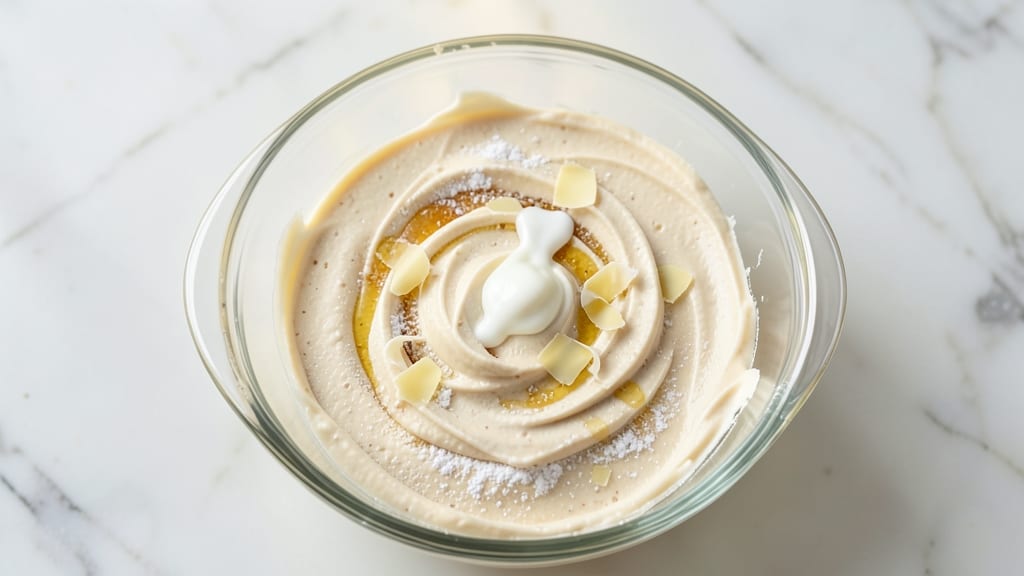
This almond sugar cookie frosting transforms ordinary cookies into a nutty-sweet masterpiece with just five simple ingredients and zero buttercream struggle. The secret lies in the perfect balance of almond extract and vanilla, creating a rich, spreadable glaze that clings beautifully to every crumb.
I've perfected this recipe over years of baking, ensuring it's stable enough for piping but still tender enough to melt slightly when warmed.
The magic happens when you whip the frosting to the right consistency—thick enough to hold its shape but light enough to spread effortlessly. This version avoids common buttercream pitfalls like graininess or excessive sweetness, thanks to a precise powdered sugar-to-butter ratio and the natural sweetness of almond extract.
It's the kind of frosting that elevates store-bought cookies to bakery-quality status with minimal effort.
What sets this frosting apart is its versatility—use it to flood sugar cookies, pipe delicate rosettes, or even drizzle over cake layers. The almond flavor shines through without overpowering, making it ideal for pairing with vanilla, chocolate chip, or even snickerdoodle cookies.
Once you try it, you'll never go back to basic vanilla buttercream again.
Best of all, this frosting keeps beautifully in the fridge for up to a week, so you can make a big batch and enjoy it over time. Whether you're prepping for a holiday bake sale or just treating yourself, this recipe delivers professional results with simple techniques. Let's get started!
Ingredients for almond sugar cookie frosting
Five simple ingredients create a nutty-sweet frosting that transforms cookies into bakery-worthy treats.
| Ingredient | Amount | Notes |
|---|---|---|
| Unsalted Butter 🧈 | ½ cup | Softened to room temperature |
| Powdered Sugar 🍚 | 3 cups | Sifted for smooth texture |
| Pure Almond Extract 🌿 | 1 tsp | High-quality for best flavor |
| Pure Vanilla Extract 🍯 | 1 tsp | Bottled for consistency |
| Heavy Cream 🥛 | ¼ cup | Cold for stability |
| Pinch of Salt 🧂 | ⅛ tsp | Enhances sweetness |
The butter is the foundation here—use European-style butter if you can find it, like Plugrá or Miyoko's, for that rich, creamy texture. Powdered sugar? Bob's Red Mill or Domino brands are reliable, but sift it first—lumps are the enemy of smooth frosting. Almond extract isn't all created equal; McCormick or Goya are solid choices, but if it smells like alcohol instead of almonds, toss it. Vanilla extract should be bottled, not imitation—Nielsen-Massey is my go-to. The heavy cream needs to be cold when you add it, or you'll end up with a soupy mess.
No almond extract? Marzipan or almond paste at half the amount will give you that nutty depth, though it'll be thicker. Short on vanilla? Vanilla bean paste works perfectly—just use the same amount. Butter too hard to soften? Microwave it for 20 seconds to just melt it, then let it cool slightly. Powdered sugar clumping? Add a splash of heavy cream while sifting to break it up. Want it sweeter? Add an extra tablespoon of powdered sugar—this frosting is forgiving like that.
This frosting keeps beautifully in the fridge for up to 1 week, sealed in an airtight container. For long-term storage, freeze it for 3 months—just thaw it at room temperature before using. I like to portion it into small jars so I can grab just what I need. If it gets too stiff after refrigeration, microwave for 10 seconds to soften it right up. Trust me, it's worth making extra—you'll want this on everything.
Why You'll Love This Recipe
- No-Fuss Whip: I swear by this frosting because it’s just butter, sugar, and a splash of cream—no stand mixer required. Five minutes of hand-whisking (or a quick pulse in a food processor) and you’re done. Honestly, the only tool you’ll need is a bowl you don’t mind getting a little sticky.
- Nutty Vanilla Bliss: That almond extract isn’t just background flavor—it’s the star. One sniff and you’re transported to a sugar cookie bakery, but with a depth vanilla alone can’t match. The heavy cream keeps it silky, so every bite feels like a hug for your taste buds.
- Holiday or Snack Attack: Slather it on sugar cookies for Christmas, dollop it on vanilla cake for a birthday, or—here’s my secret—spread it on toast with a sprinkle of flaky salt. It’s fancy enough for gifts but simple enough to eat straight from the spoon. (Yes, I’ve done it.)
- Leftovers That Last: This frosting actually improves overnight—thickens just enough to pipe neatly, but stays soft enough to spread. Store it in the fridge for up to a week, and it’s still creamy enough to use. Between us, I’ve reheated a dollop in the microwave for 10 seconds when I was really craving it.
Step-by-step instructions for almond sugar cookie frosting
This frosting comes together faster than you can say "almond extract" and delivers that perfect balance of nutty sweetness.
Beat Butter and Cream Until Light and Fluffy
In a large mixing bowl, combine the 0.5 cup unsalted butter (softened to room temperature) and the 0.25 cup cold heavy cream. Using a hand mixer or stand mixer fitted with the paddle attachment, beat on medium speed for 2-3 minutes. You're looking for a light, airy texture that nearly doubles in volume—it should look pale and fluffy, almost like whipped buttercream.
This step is crucial because the air incorporated here creates that signature smooth, spreadable texture. If your butter feels too soft or melty, chill the bowl in the freezer for 5 minutes before continuing. The butter needs to be soft enough to mix but not so warm that it melts completely—this keeps the frosting stable.
Gradually Add Powdered Sugar for a Smooth Finish
With the mixer running on low speed, slowly add the 3 cups powdered sugar (sifted for smooth texture) in a steady stream. This gradual addition prevents clumping and ensures the sugar dissolves completely into the butter mixture. Once all the sugar is incorporated, increase the speed to medium and beat for another 2-3 minutes until the mixture is completely smooth and creamy.
Here's where patience pays off: If you add the sugar too quickly, you'll end up with a grainy frosting. I like to pause occasionally to scrape down the sides of the bowl with a rubber spatula—this ensures even mixing and prevents any dry spots from forming. The frosting should now look like a thick, glossy paste with no visible sugar granules.
Infuse with Almond and Vanilla for Maximum Flavor
Add the 1 tsp pure almond extract and 1 tsp pure vanilla extract to the bowl. Mix on low speed for 30 seconds to combine, then increase to medium and beat for another 1 minute to fully incorporate the flavors. The mixture should take on a subtle nutty aroma—this is your cue that the extracts are working their magic.
Don't skip this step! The almond extract needs time to meld with the butter and sugar. If you're using high-quality extracts, you'll notice a more pronounced almond flavor. For an extra boost, you can even add a tiny pinch of almond flavoring (about ¼ tsp) if you want a stronger nutty kick, but the recipe as written is perfectly balanced.
Add Salt and Adjust Consistency
Sprinkle in the 0.125 tsp pinch of salt and mix on low speed for 10 seconds to distribute evenly. Taste a small spoonful—this is your quality control moment. The frosting should be sweet but not cloying, with a clean almond finish. If it tastes too sweet, you can add a tiny bit more salt (about ⅛ tsp), but the original amount is spot-on for most palates.
Now for the consistency check: The frosting should be thick but spreadable, like a good-quality buttercream. If it's too stiff, add 1-2 teaspoons of heavy cream at a time until it reaches the right texture. If it's too thin, chill the bowl in the freezer for 10 minutes to help it firm up. The ideal consistency is smooth, glossy, and just thick enough to hold its shape on a piping bag or spreadable with a knife.
Pipe or Spread and Enjoy Immediately
Transfer the frosting to a piping bag fitted with a star tip (or use a spoon for spreading). Pipe rosettes onto your cookies or spread evenly between layers. The frosting will hold its shape beautifully—thanks to that airy butter base—and give your cookies that professional bakery look. For extra shine, brush the top with a tiny bit of heavy cream diluted with a drop of vanilla extract.
Here's the thing about this frosting: It's best used fresh. If you need to store it, cover the bowl with plastic wrap pressed directly onto the surface (to prevent a skin from forming) and refrigerate for up to 3 days. Bring it to room temperature before using—it'll soften slightly but still hold its shape perfectly. And if you're feeling fancy, dust with a little extra powdered sugar or crushed almonds for a stunning finish.
Pro Tips For Making Almond Sugar Cookie Frosting
- Soften Butter Properly: Take the butter out of the fridge 30 minutes before you start—room temperature is key here. Cold butter will leave you with a grainy, uneven frosting, and nobody wants to fight clumps when you’re mixing. If you’re in a rush, microwave it in 10-second bursts (yes, even if it sounds risky) until it’s just pliable, not melted.
- Sift That Sugar: Powdered sugar is a diva—it clumps like it’s holding a grudge. Sift it directly into your mixing bowl before adding anything else. I learned this the hard way when my frosting turned into a sad, lumpy paste. A fine-mesh sieve or even a clean kitchen towel works in a pinch, but don’t skip this step.
- Add Cream Slowly: Drizzle the heavy cream into the butter-sugar mix, tablespoon by tablespoon, while mixing on low. Pouring it all at once will turn your frosting into a runny mess. You want it thick enough to pipe but still smooth—like a cloud that won’t collapse on itself.
- Taste Before Extracts: Mix the butter and powdered sugar first, then taste it plain. This tells you if your sugar is clumpy or if you need more cream. Only then add the almond and vanilla extracts—this way, you won’t overpower the frosting with too much of either. A little goes a long way, especially with almond.
Wine and beer pairings for this recipe
Sweet Wine Pairings
For this nutty-sweet frosting, I reach for Moscato d'Asti—its delicate bubbles and honeyed notes complement the almond flavor beautifully.
A glass of this Italian sparkling wine enhances the frosting's natural sweetness without overpowering it. 🍷 If you prefer something still, Riesling from Germany or Washington State offers a crisp acidity that balances the richness perfectly.
Pro tip: Chill your wine to 45-50°F before serving—it mirrors the frosting's ideal temperature and prevents the wine from tasting flat. A slightly off-dry Riesling with hints of peach works especially well when paired with almond-infused desserts.
Creamy Beer Options
Believe it or not, a Belgian witbier like Hoegaarden or Stella Artois pairs surprisingly well with this frosting. The citrusy coriander notes cut through the sweetness, while the effervescence cleanses your palate between bites.
For a bolder option, try a honey ale—the caramel undertones echo the frosting's almond sweetness. 🍺
If you're serving this frosting on cookies with guests who prefer beer, opt for a light lager like Heineken or Budweiser. The subtle maltiness won't compete with the almond flavor but provides a smooth, refreshing contrast. Serve the beer slightly chilled (40°F) for the best experience.
Unexpected Pairings
Don't overlook espresso martinis for a sophisticated touch—especially if you're serving the frosting on coffee-flavored cookies. The bitterness of the espresso complements the almond's sweetness, creating a harmonious balance. I like to add a splash of Kahlúa to enhance the nutty notes. ☕
For a non-alcoholic option, sparkling apple cider (like Martinelli's) works wonderfully. The natural sweetness and effervescence mirror the frosting's texture, while the apple's acidity refreshes the palate. Serve it ice-cold for the best contrast.
Regional Twists
In Southern California, where almonds are king, I often pair this frosting with Sparkling Wine Sangria—a mix of Prosecco, sliced peaches, and a splash of Triple Sec. The almond flavor shines alongside the stone fruit's natural sweetness. 🌶️
For a Pacific Northwest touch, try pairing with a honey-infused IPA—local breweries like Deschutes or Fremont craft these with local clover honey. The hoppy bitterness contrasts beautifully with the frosting's richness, making each bite more complex.
Nutrition facts
Frequently asked questions
Can I make this frosting without almond extract?
Yes! You can substitute 1 tsp marzipan paste or ½ tsp almond flavoring instead of the almond extract. For a stronger almond flavor, try ½ cup ground almonds blended into the butter—just strain out the pulp before using. The texture will be slightly thicker, so add 1-2 tsp heavy cream if needed.
Why did my frosting turn grainy?
Graininess usually happens when powdered sugar isn't sifted or added too quickly. Always sift the sugar first, and add it gradually while mixing on low speed. If it's already grainy, try blending it briefly with an immersion blender or adding 1 tsp heavy cream to smooth it out. Chill the frosting for 10 minutes to help it firm up and lose any grit.
How do I adjust the sweetness for kids?
For younger palates, reduce the powdered sugar to 2½ cups and add ½ tsp more vanilla extract to balance the flavor. If you prefer, you can also add 1 tsp honey or maple syrup mixed with 1 tsp hot water to the frosting—just let it cool before using. Always taste-test first!
Can I use this frosting for cake layers?
This frosting works beautifully between cake layers, though it's slightly softer than traditional buttercream. For stability, chill the cake layers for 20 minutes before assembling, and use a thin layer (¼ inch) to avoid sogginess. If you're piping decorations, this frosting holds its shape well at room temperature.
What’s the best way to store leftover frosting?
Store in an airtight container in the fridge for up to 1 week. For longer storage, freeze it for 3 months—thaw overnight in the fridge before using. To prevent a skin from forming, press plastic wrap directly onto the frosting's surface. If it stiffens, microwave for 10 seconds to soften it right up.