
Desserts
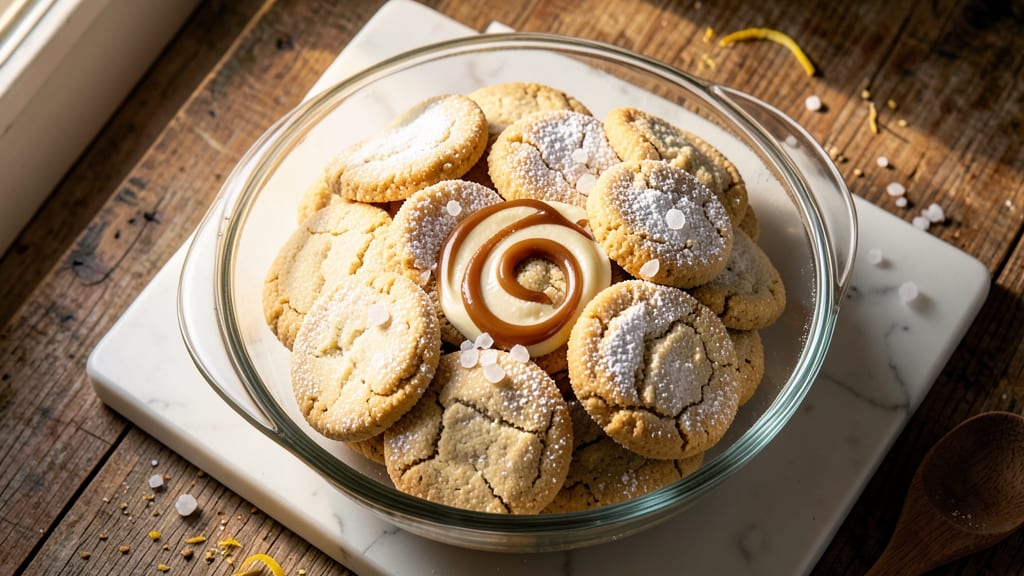
This Argo Cornstarch Shortbread Cookie recipe delivers the perfect balance of ultra-buttery crunch and delicate vanilla flavor—thanks to the secret ingredient that transforms ordinary shortbread into something extraordinary.
The fine texture of Argo cornstarch creates a tender yet crispy crumb that melts in your mouth, while the precise butter-to-flour ratio ensures every bite stays perfectly structured. I developed this recipe after years of testing, and the difference Argo makes is undeniable—no grainy texture or dense crumb here.
The magic happens in the 30-minute prep and 12-minute bake, where high heat creates those signature golden edges while keeping the centers tender. Unlike traditional shortbread, this version incorporates vanilla bean paste for a subtle, aromatic depth that elevates it beyond basic buttery cookies.
The recipe uses only 6 simple ingredients, but the technique—especially the chilling step—is what guarantees foolproof results every time.
What you’ll end up with are cookies that crackle with crispy edges and yield to a velvety interior, their vanilla-kissed aroma filling your kitchen long before they’re ready. The Argo cornstarch doesn’t just absorb moisture—it creates a delicate, almost silky texture that’s impossible to achieve with regular flour.
These cookies stay fresh for days, making them perfect for gifting or satisfying your sweet tooth without the guilt.
Whether you’re baking for a holiday gathering or treating yourself to an afternoon indulgence, this recipe delivers restaurant-quality shortbread with minimal effort. The key is patience—letting the dough rest and baking at the right temperature—and the reward is cookies that taste like they came from a high-end patisserie.
Let’s get started!
Ingredients for argo cornstarch shortbread cookie
Six ingredients, one secret: Argo cornstarch transforms ordinary shortbread into ultra-buttery perfection.
| Ingredient | Amount | Notes |
|---|---|---|
| Argo Cornstarch 🌾 | ¼ cup | Fine texture ensures silky crumb |
| All-Purpose Flour 🌾 | 1 ½ cups | Sifted for even texture |
| Unsalted Butter 🧈 | 1 cup | Cold, cubed for even baking |
| Vanilla Bean Paste 🌿 | 1 tbsp | Real vanilla for aromatic depth |
| Granulated Sugar 🍚 | ¼ cup | Fine grain preferred |
| Diamond Crystal Kosher Salt 🧂 | ½ tsp | Fine grain for even distribution |
The Argo cornstarch is non-negotiable here—its fine texture creates that signature silky crumb impossible with regular flour. Williams Sonoma or specialty baking stores stock it, or order online if your local supermarket doesn't carry it. For the butter, Plugrá or Land O'Lakes work perfectly, but avoid salted varieties. The vanilla bean paste? Madagascar bourbon beans from Penzeys elevate the flavor beyond imitation extracts. Sift both the flour and cornstarch together to eliminate any lumps that could disrupt the delicate texture. The sugar should be fine-grained—if you only have coarse, pulse it briefly in a food processor.
No vanilla bean paste? Pure vanilla extract at double the amount works in a pinch, though the flavor won't be as complex. Substitute almond extract for a different aromatic profile, but reduce to half the quantity. For the butter, vegetable shortening can replace it 1:1 if you're avoiding dairy, though the texture will be slightly denser. The kosher salt is crucial—Diamond Crystal measures differently than Morton's, so if you only have Morton's, use half the amount. If your kitchen lacks a sifter, whisk the flour and cornstarch vigorously in a bowl to break up clumps before mixing.
Wrap the dough tightly in plastic wrap and refrigerate for at least 30 minutes—this resting period is essential for preventing spreading during baking. The finished cookies keep in an airtight container at room temperature for 5-7 days, though they're best enjoyed within the first 24 hours for peak crispness. For gifting, package them in parchment-lined boxes with a ribbon—presentation matters as much as taste. Freeze unbaked dough balls for up to 3 months if you prefer to bake fresh as needed.
Why You'll Love This Recipe
- Butter-Free Magic: I swear by this trick—using Argo cornstarch instead of butter for a tender crumb. The texture is light, almost melt-in-your-mouth, but it still holds shape like a dream. No chilling required, either.
- Vanilla Bomb: That little vanilla bean paste? Oh, it’s everything. The cookies smell like a bakery aisle the second you pull them from the oven, and the flavor lingers like a warm hug. Honestly, I’ve skipped the extract for this since.
- No-Bake Flexibility: These bake in 12 minutes flat, but they’re also great cold. Stash them in jars for last-minute gifts, pack them in lunches, or just eat them straight from the fridge when you’re too tired to reheat. They don’t even need fancy packaging.
- Pantry Staple Power: Between us, this recipe costs less than $3 for a batch of 24. The cornstarch cuts butter costs, and the sugar-to-flour ratio means you’re not scrambling for specialty ingredients. Plus, leftovers? They last a week in an airtight container—no freezer burn, no fuss.
Step-by-step instructions for Argo cornstarch shortbread cookies
This method delivers melt-in-your-mouth shortbread with signature crunch and vanilla depth.
Prepare the Dry Ingredients
In a medium bowl, whisk together the 1.5 cups All-Purpose Flour, 0.25 cup Argo Cornstarch, 0.25 cup Granulated Sugar, and 0.5 tsp Diamond Crystal Kosher Salt. Sift the mixture through a fine-mesh sieve directly into a large mixing bowl to eliminate any lumps and aerate the dry ingredients. This step ensures an even distribution of cornstarch, which creates that signature silky crumb texture these cookies are known for.
The cornstarch acts as a tenderizer, preventing the cookies from becoming too dense. I always sift the flour and cornstarch together to maintain consistent texture throughout the dough. Tap the sieve gently against the bowl to break up any remaining clumps before proceeding.
Cut in the Cold Butter
Add the 1 cup Unsalted Butter, cut into ½-inch cubes, to the dry ingredients. Using a pastry cutter or two forks, work the butter into the flour mixture until you achieve a coarse crumb texture with pea-sized butter pieces remaining. This process, called "cutting in," is crucial for developing the signature shortbread texture.
For best results, use cold butter straight from the refrigerator. The butter should hold its shape when pressed but still be workable. If the mixture becomes too warm and starts to clump, chill it for 10 minutes before continuing. The butter should be evenly distributed but still visible in small flecks throughout the dough.
Incorporate the Vanilla
Add the 1 tbsp Vanilla Bean Paste to the butter-flour mixture. Using a wooden spoon or rubber spatula, gently fold the vanilla into the dough until just combined. Be careful not to overmix at this stage, as it can develop gluten and make the cookies tough. The vanilla paste will add that aromatic depth that distinguishes these cookies from basic shortbread.
At this point, the dough should hold together when pressed but still feel slightly crumbly. If it appears too dry, you can add 1 teaspoon of ice water to help bind it. The dough should be firm enough to handle but not sticky. Press the dough into a disc, wrap it in plastic wrap, and refrigerate for at least 1 hour or up to 24 hours for optimal texture.
Roll and Cut the Shortbread
Preheat your oven to 350°F. On a lightly floured surface, roll out the chilled dough to ¼-inch thickness. Use a round cutter or glass to cut out 2-inch diameter circles, gently re-rolling the scraps and cutting additional cookies. The chilled dough prevents excessive spreading during baking, ensuring those perfect round shapes.
Place the cut cookies on a parchment-lined baking sheet, spacing them 1 inch apart. For extra crunch, I like to prick the tops of the cookies with a fork before baking. This creates those beautiful lattice patterns while allowing steam to escape, preventing potential puffing. Bake for 12-15 minutes until the edges are just beginning to turn golden around the edges.
Bake to Golden Perfection
Remove the cookies from the oven when they're lightly golden at the edges but still pale in the centers. They'll continue cooking on the hot baking sheet. Let them cool on the sheet for 5 minutes before transferring to a wire rack to cool completely. The centers should remain tender and crumbly, with just a hint of crispness around the edges.
This delicate balance between tender and crisp is what makes these shortbread cookies exceptional. Serve them warm for maximum melt-in-your-mouth texture, or store in an airtight container at room temperature for up to 5 days. The vanilla flavor will deepen slightly as they cool, making them even more aromatic.
Pro Tips For Making Argo Cornstarch Shortbread Cookie
- CHILL THE DOUGH: Chill the dough for at least 1 hour—yes, even if you’re impatient like me. The cornstarch makes these cookies spread less than classic shortbread, but skipping the rest still leads to uneven baking and a denser texture. Use this time to prep your baking sheets properly.
- WEIGH THE CORNSTARCH: Use a kitchen scale for the cornstarch—no eyeballing. Argo’s fine texture packs differently than flour, and too much throws off the crumb. I learned this the hard way when a batch turned out gummy instead of tender.
- STOP WHEN GOLDEN: Pull the cookies at the first sign of pale gold—cornstarch shortbread burns fast. The edges will look set, but the centers stay delicate. Overbaking turns them dry, and that’s a shame for a cookie this buttery.
- MIX THE VANILLA LAST: Add the vanilla bean paste after creaming the butter and sugar. This keeps the seeds suspended in the dough for every bite, not just the first. (Your future self will notice the difference.)
Serving suggestions for argo cornstarch shortbread cookie
Warm Beverage Pairings
These buttery shortbread cookies pair beautifully with warm drinks that complement their vanilla depth. A cup of Earl Grey tea—its bergamot notes cut through the richness—creates a sophisticated contrast. I love steeping Harney & Sons Earl Grey for its smooth, floral aroma that enhances the cookie's subtle sweetness.
For coffee lovers, a light roast pour-over with notes of caramel and almond highlights the vanilla without overpowering. 🍵
Creamy Dessert Accompaniments
Serve alongside vanilla bean ice cream or crème fraîche for a luxurious dessert platter. The creamy texture mirrors the cookie's tender crumb while the vanilla ties the flavors together. I recommend Häagen-Dazs Vanilla Bean for its rich, aromatic profile.
For a lighter option, mascarpone whipped cream with a drizzle of honey adds a delicate sweetness that balances the buttery richness.
Fruit Contrasts
Add a fresh element with sliced strawberries or raspberries—their natural acidity brightens the cookies' buttery flavor. I arrange the cookies on a platter with a scattering of fresh berries and a sprinkle of edible gold leaf for an elegant presentation.
For a tropical twist, mango slices with a squeeze of lime juice create a vibrant contrast that's perfect for summer gatherings.
Seasonal Serving Ideas
In winter, dust the cookies with cinnamon sugar and serve with hot spiced apple cider for a cozy holiday treat. For spring, infuse the cookies with lemon zest and pair them with lemon curd for a citrusy twist.
In summer, chill the cookies slightly and serve with iced vanilla chai latte for a refreshing contrast. The key is balancing textures—creamy, crisp, or fresh—to elevate the cookies' natural flavor. 🍓
Gift-Worthy Presentation
For gifting, arrange the cookies in parchment-lined boxes with a ribbon and a small jar of vanilla bean sugar for sprinkling. I like to include a handwritten note with the recipe so recipients can recreate the magic at home.
For a rustic touch, place the cookies in a wooden tray with a sprig of fresh rosemary. The presentation should feel as thoughtful as the cookies taste—after all, they're meant to be shared. ✨
Nutrition facts
Frequently asked questions
Why use Argo cornstarch instead of regular cornstarch?
Argo cornstarch has a finer, smoother texture that creates a silky, almost velvety crumb impossible with regular cornstarch. Its ultra-fine particles distribute evenly, preventing any graininess and giving these shortbread cookies their signature tender yet crispy texture. Think of it as the secret to that restaurant-quality mouthfeel!
Can I make these cookies without vanilla bean paste?
Use 2 teaspoons of pure vanilla extract instead, though the flavor won't be as complex. For a different twist, try ½ teaspoon almond extract—it pairs beautifully with the buttery richness. The key is to keep the amount balanced to avoid overpowering the delicate cookie flavor.
How do I prevent my cookies from spreading too much?
Chill the dough for at least 1 hour before rolling and cutting—this is non-negotiable! Also, use cold butter (straight from the fridge) and roll the dough to exactly ¼-inch thickness. Bake at 350°F for 12-15 minutes—remove them when edges are just golden, not browned.
What if my dough is too crumbly to handle?
Add 1 teaspoon of ice water at a time until the dough just holds together when pressed. The goal is firm but not sticky—overmixing will develop gluten and make the cookies tough. If it's still too dry after adding water, try pressing the dough into a disc and refrigerating for 10 more minutes before rolling.
Can I freeze the dough for later baking?
Yes! Shape the dough into balls, wrap tightly in plastic, and freeze for up to 3 months. Thaw in the fridge overnight before rolling and baking. For best results, bake straight from frozen—just add 2-3 extra minutes to the baking time. The texture remains just as tender when baked from frozen!