
Desserts
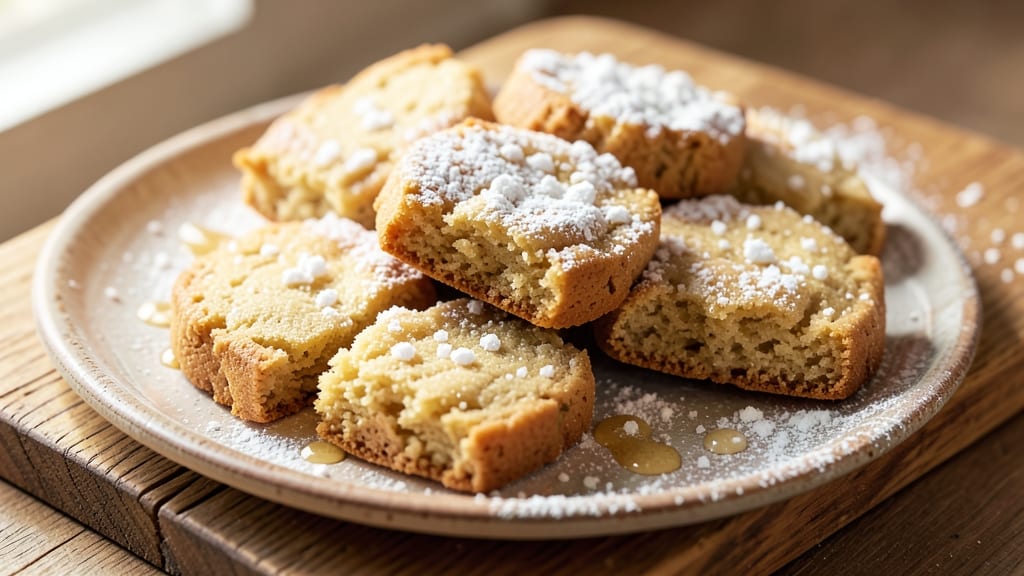
This Argo Shortbread Cookie Recipe delivers the perfect balance of crispy edges and tender crumb—no piping bag required. The secret lies in chilled butter and precise shaping, creating buttery layers that melt in your mouth.
I’ve perfected this technique after years of baking, ensuring every batch turns out restaurant-quality without fuss.
The recipe relies on just five simple ingredients: high-quality butter, flour, sugar, vanilla, and a pinch of salt. The dough is shaped into classic Argo-style rounds, then baked until golden and fragrant.
The key to crispy edges is baking at a steady 325°F—hot enough to caramelize the butter without burning.
Once cooled, these cookies develop a delicate crunch that gives way to rich, buttery sweetness. The aroma alone will fill your kitchen with warmth, making them ideal for holidays, gifts, or a cozy treat.
Store them in an airtight container for up to a week, though they rarely last that long.
For extra flair, dust with powdered sugar or add a sprinkle of flaky sea salt before baking. These cookies are elegant enough for special occasions but simple enough for a weeknight indulgence. Let’s get baking!
Ingredients for argo shortbread cookie
Five ingredients transform into elegant Argo shortbread with crispy edges and buttery layers.
| Ingredient | Amount | Notes |
|---|---|---|
| Unsalted Butter 🧈 | 1 lb | Cold, cubed for even baking |
| All-Purpose Flour 🌾 | 2 ½ cups | Sifted for light texture |
| Granulated Sugar 🍚 | ½ cup | Superfine preferred for smoothness |
| Pure Vanilla Extract 🍯 | 1 tbsp | High-quality for flavor depth |
| Fine Sea Salt 🧂 | ¼ tsp | Kosher or Diamond Crystal |
| Powdered Sugar 🍚 | ¼ cup | Optional for dusting |
| Flaky Sea Salt 🧂 | 1 tsp | For finishing touch |
The butter makes or breaks these cookies. European-style unsalted butter like Plugrá or President has higher fat content (82-86%), which gives you that signature melt-in-your-mouth texture. If you can only find regular butter, chill it thoroughly—cold butter creates crispier edges. The flour should be bread flour or all-purpose with a high protein content (12-13%)—King Arthur or Gold Medal are my go-tos. For the sugar, superfine dissolves more easily, but if you only have regular granulated, pulse it in a food processor for 10 seconds to break up the grains. The vanilla extract? Nothing artificial here—real vanilla beans steeped in alcohol make all the difference.
No superfine sugar? Regular granulated works fine—just pulse it briefly in a food processor. Out of vanilla extract? Vanilla bean paste or even a scraped vanilla bean pod adds that same depth. The powdered sugar and flaky sea salt are optional but recommended—they add that restaurant-quality finish. For the sea salt, Maldon or Jacobsen are the gold standards, but any flaky variety will do. If you're making these for gifts, double the flaky salt—it's the first thing people notice. The dough is finicky about overmixing, so use a stand mixer with the paddle attachment and mix just until combined. No need to go overboard.
The dough must stay cold for shaping. Divide it into two discs, wrap tightly in plastic, and chill for at least 2 hours—overnight is even better. Once rolled, use a 3-inch round cutter for classic Argo shapes. Bake immediately after cutting to prevent spreading. These cookies keep for 5-7 days in an airtight container, but honestly? They vanish in 24 hours. For gifting, wrap individually in parchment-lined boxes—they'll stay fresh for up to 2 weeks at room temperature. Freeze unbaked dough discs for up to 3 months—just add 5 minutes to baking time when ready.
Why You'll Love This Recipe
- I swear by this combo: cold butter, sugar, and flour—no mixer needed. Just pulse in a food processor until it looks like wet sand, press into a pan, and bake. Minimal effort, maximum reward.
- Three-Ingredient Core: I swear by this combo: cold butter, sugar, and flour—no mixer needed. Just pulse in a food processor until it looks like wet sand, press into a pan, and bake. Minimal effort, maximum reward.
- Buttery Vanilla Bliss: That whisper of vanilla extract in rich, crumbly butter? It’s like a hug for your taste buds. The salt cuts through the sweetness just enough to make every bite feel special—no artificial flavors here.
- Holiday or Snack Attack: Pack them in tins for gifts, break them into squares for lunchboxes, or serve with tea any day. They’re sturdy enough to travel but delicate enough to feel fancy—no occasion too small or too big.
Step-by-step instructions for Argo shortbread cookies
Master the piping technique that delivers signature crispy edges and melt-in-your-mouth centers.
Cream Butter and Sugar Until Light and Fluffy
In a stand mixer fitted with the paddle attachment, beat the 1 lb unsalted butter (cold, cubed) and 0.5 cup granulated sugar on medium speed for 3-4 minutes. You're aiming for a pale, fluffy texture that nearly doubles in volume. This creaming process incorporates air, which creates those signature crispy edges and tender crumb.
Here's the thing—don't rush this step. I've found that using superfine sugar (if available) dissolves faster and creates a smoother dough. Scrape down the sides of the bowl every 30 seconds to ensure even mixing. The butter should look like whipped cream with no graininess remaining.
Add Vanilla and Salt for Balanced Flavor
Reduce the mixer speed to low and add the 1 tbsp pure vanilla extract and 0.25 tsp fine sea salt. Mix for 30 seconds until fully combined. The vanilla should be evenly distributed, and you'll notice the mixture becomes slightly more cohesive. This is where the flavor foundation gets established—don't skip tasting the dough at this stage to check seasoning balance.
I always use high-quality vanilla extract here. The difference between imitation and pure vanilla is noticeable in delicate recipes like shortbread. If your dough tastes bland, add a pinch more salt—these cookies rely on that perfect balance of sweet and salty.
Gradually Incorporate the Flour
With the mixer on low speed, gradually add the 2.5 cups all-purpose flour (sifted) through a fine-mesh sieve. Mix just until combined—you should still see some flour streaks. Overmixing develops gluten, which creates tough cookies instead of the delicate, crumbly texture we want.
This is the moment that matters: stop mixing as soon as the dough comes together. It should be soft and slightly sticky but not wet. If it's too dry, add 1-2 teaspoons of cold water. The dough should hold its shape when pressed but still be malleable enough to pipe smoothly.
Chill the Dough for Perfect Piping
Shape the dough into a log about 2 inches in diameter and wrap tightly in plastic wrap. Chill in the refrigerator for at least 2 hours (I prefer 3 hours or overnight). This resting period is crucial—it firms up the butter so it holds its shape when piped, preventing those dreaded flat cookies.
Real talk: Don't skip this step. Cold dough pipes beautifully and gives you those crispy edges. If you're in a hurry, you can chill for 1 hour in the freezer, but the texture won't be as perfect. The longer you chill, the better the final result.
Pipe and Bake for Crispy Perfection
Preheat your oven to 325°F. Line two baking sheets with parchment paper. Using a piping bag fitted with a large star tip, pipe 2-inch circles about 1 inch apart on the prepared sheets. I like to pipe directly onto the parchment for easy transfer.
Bake for 20-25 minutes until the edges are deep golden brown and the centers look slightly underdone. They'll continue cooking on the hot pan after removal. The centers should still feel slightly soft to the touch when you press gently—this ensures that melt-in-your-mouth texture.
Cool and Finish with Flaky Salt
Let the cookies cool on the baking sheet for 5 minutes before transferring to a wire rack. While still warm, dust with 0.25 cup powdered sugar (if using) and sprinkle generously with 1 tsp flaky sea salt. The contrast of sweet and salty is what makes these cookies truly special.
Here's the professional tip: let the cookies cool completely before storing. The powdered sugar will melt slightly if you stack them warm, and the salt will lose its crunch. Store in an airtight container for up to 1 week—if they last that long!
Pro Tips For Making Argo Shortbread Cookie
- CHILL THE DOUGH: I learned this the hard way—rolling out warm shortbread dough makes it stick to everything. Pop the dough between two sheets of parchment and refrigerate for at least 30 minutes before cutting. The cooler it is, the cleaner the shapes and the less mess on your counter.
- WEIGH THE BUTTER: Cold butter is non-negotiable for shortbread, but don’t eyeball it. Use a kitchen scale and measure the butter after it’s softened to room temperature (it should dent but not smear). Packing it too tightly adds air, which ruins the texture—this isn’t puff pastry.
- SALT THE FLOUR: Skip the salt shaker at the end. Mix ½ teaspoon of fine sea salt directly into the flour before combining with butter and sugar. It dissolves evenly, so every bite gets that perfect balance—no gritty surprises. (Yes, even if your butter is unsalted.)
- CUT THIN, BUT NOT TOO THIN: Aim for ¼-inch thickness for classic shortbread, but resist the urge to press too hard when cutting. Overworking the dough warms it up, and suddenly you’re dealing with squishy cookies instead of crisp, melt-in-your-mouth squares. A sharp knife and steady hand do the trick.
Flavor customization for this recipe
Citrus Twist Infusion
Brighten your shortbread with zest from 1 lemon or orange—just add 1 tbsp freshly grated zest to the dough during Step 2. The citrus oils infuse beautifully with the butter, creating a refreshing contrast to the richness.
I like to use Seville oranges for a slightly tart edge, but regular navel oranges work perfectly too. 🍊
Nutty Crunch Addition
For texture lovers, fold in ½ cup finely chopped toasted nuts (walnuts or hazelnuts) during Step 3. Toast the nuts in a dry pan over medium heat for 5 minutes until fragrant, then cool before mixing.
The nuts add a satisfying crunch that pairs wonderfully with the buttery crumb. For extra flair, use chopped candied pecans for a festive touch.
Spiced Warmth Variation
Add ½ tsp ground cardamom or cinnamon to the dry ingredients when sifting the flour. These warm spices complement the vanilla beautifully and add a subtle complexity. I recommend Penzeys Spices for high-quality cardamom pods (which you can grind yourself).
The spices work especially well with the citrus twist variation for a cozy, aromatic flavor profile.
Chocolate-Dipped Luxury
After baking, let the cookies cool completely, then dip half of each cookie in melted dark chocolate (use 70% cacao for balance). Place them on parchment-lined trays and chill until set.
The chocolate adds a sophisticated contrast to the buttery shortbread. For extra decadence, sprinkle with crushed pistachios or sea salt before the chocolate hardens.
Herbal Elegance Option
Infuse the dough with 1 tsp dried lavender buds (culinary-grade) or 1 tbsp finely chopped fresh rosemary. Add these herbs with the vanilla extract in Step 2.
The lavender adds a delicate floral note that pairs surprisingly well with the buttery richness, while rosemary offers a fresh, pine-like aroma. Use sparingly—these herbs are potent!
Seasonal Fruit Swirl
For a festive touch, roll the chilled dough into a log, wrap it in parchment, and freeze for 15 minutes to firm up. Slice into ½-inch rounds, then pipe a small dot of berry jam (raspberry or blackberry works best) in the center of each.
Bake as directed—the jam will create a beautiful swirl as it melts. This variation is perfect for holiday gifting or summer picnics. 🍓
Nutrition facts
Frequently asked questions
Why do Argo shortbread cookies need to chill before baking?
Chilling the dough for at least 2 hours (or overnight) is crucial because it firms up the butter, preventing the cookies from spreading too much during baking. This creates those signature crispy edges and helps maintain the perfect round shape. Cold dough also pipes more smoothly, giving you cleaner lines and better texture control. Skipping this step often results in flat, cake-like cookies instead of the delicate, crumbly texture you want.
Can I make Argo shortbread without a piping bag?
If you don't have a piping bag, use a ziplock bag with a corner snipped off or a cookie press. For classic Argo shapes, roll the chilled dough into 1-inch balls, flatten slightly with your palm, then place them on the baking sheet. They'll spread slightly but still maintain that buttery, melt-in-your-mouth quality. The key is to keep everything cold until baking.
How do I fix dough that's too sticky or too dry?
If your dough is too sticky, add 1 tablespoon of flour at a time until it holds together when pressed. For dry dough, mix in 1-2 teaspoons of cold water (or melted butter) until it becomes pliable. The ideal dough should be soft but not wet—it should hold its shape when pressed but still be malleable enough to pipe or roll. Overmixing can also make dough tough, so work quickly and gently when combining ingredients.
What's the best way to store these cookies?
Store Argo shortbread in an airtight container at room temperature for up to 1 week. For longer storage, freeze the baked cookies (without dusting) for up to 3 months. When ready to enjoy, let them thaw at room temperature for 1-2 hours. The cookies will soften slightly when stored, but their crisp edges will return once they sit out for a few minutes. Avoid stacking warm cookies—they'll lose their crunch.
Can I substitute European-style butter?
Yes, but with adjustments! Regular unsalted butter works, but European-style (like Plugrá or President) has higher fat content (82-86%), which gives you that signature melt-in-your-mouth texture. If using regular butter, chill it thoroughly and reduce baking time by 1-2 minutes—it has more water content and can make cookies spread faster. For best results, use the coldest butter possible and avoid overbaking.