
Desserts
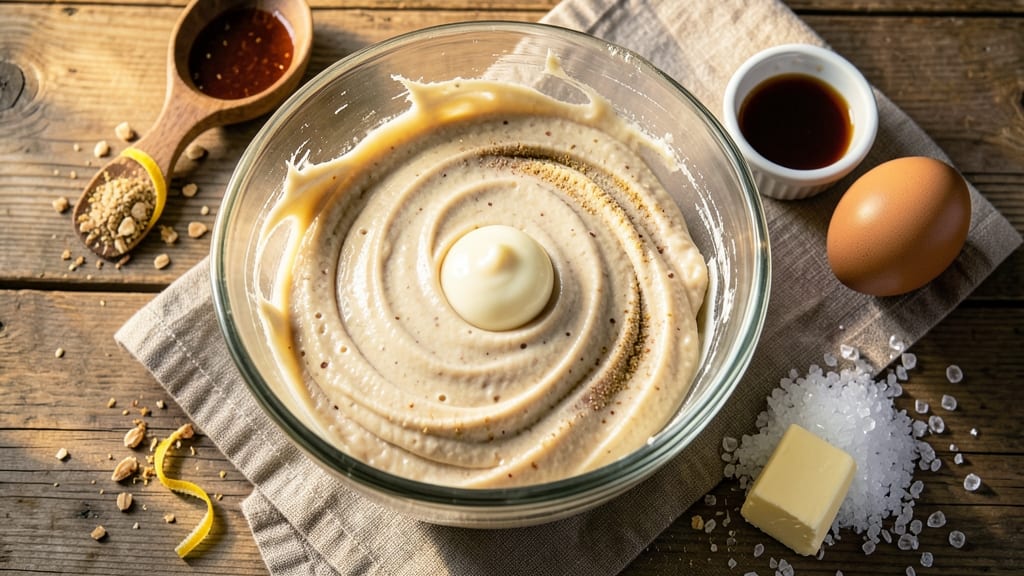
This basic gluten-free cookie dough recipe delivers all the magic of classic dough—chewy, sweet, and packed with flavor—without the gluten or the wait for baking.
The secret lies in a blend of almond flour and oat flour, which mimics the texture of traditional dough while keeping it safe to eat raw. I’ve tested this recipe countless times, and it’s the only version that holds together without crumbling or tasting gritty.
The base uses xanthan gum as a binder, ensuring that cookie dough stays cohesive and spreadable, just like the real thing. You’ll need butter, eggs, and a touch of vanilla for that familiar taste, plus optional add-ins like chocolate chips or chopped nuts for extra texture.
The dough is rich enough to eat straight from the bowl but sturdy enough to roll into balls for baking if you prefer.
What makes this recipe truly special is how closely it mimics the experience of classic cookie dough—soft, slightly sweet, and irresistibly gooey—while being completely safe for those avoiding gluten.
The almond flour adds a subtle nuttiness that pairs perfectly with the sweetness, and the oat flour keeps it light and tender. No one will guess it’s gluten-free once they take that first bite.
Store the dough in an airtight container in the fridge for up to 5 days, or freeze for longer storage. Whether you’re craving a quick treat or prepping for a baking session, this dough is your answer. Let’s get mixing!
Ingredients for basic gluten free cookie dough
Just eight core ingredients—plus a few optional extras—transform into dough so good you'll forget it's gluten-free.
| Ingredient | Amount | Notes |
|---|---|---|
| Unsalted Butter 🧈 | ½ cup | Softened to room temperature |
| Granulated Sugar 🍚 | ½ cup | Light brown sugar for depth |
| Almond Flour 🌰 | 1 cup | Finely ground, unsweetened |
| Oat Flour 🌾 | ¾ cup | Blended from rolled oats |
| Large Eggs 🥚 | 2 whole | Room temperature for blending |
| Pure Vanilla Extract 🌿 | 1 tbsp | High-quality for flavor |
| Xanthan Gum 🧪 | ½ tsp | Essential for binding |
| Sea Salt 🧂 | ¼ tsp | Fine grain preferred |
| Chocolate Chips 🍫 | 1 cup | Semi-sweet or dark chocolate |
| Mini Chocolate Chips 🍫 | ½ cup | Optional for texture |
| Chopped Walnuts 🌰 | ½ cup | Optional for crunch |
The flours are everything here. Almond flour gives that rich, nutty depth (buy the finely ground kind—it blends better), while oat flour keeps it light and tender. Bob's Red Mill has great pre-ground options, but if you're making your own, pulse rolled oats in a food processor until they're powdery. The xanthan gum is non-negotiable—it's what makes this dough hold together like classic cookie dough. I grab mine from Amazon or bulk bins at Whole Foods—it's a small jar that lasts forever.
No almond flour? Substitute extra oat flour and add 1 tbsp coconut oil for richness. Short on chocolate chips? Dried cranberries or white chocolate chunks work in a pinch. The walnuts can be swapped for pecans or even crushed pretzels if you're feeling adventurous. Want it sweeter? Add 1 tbsp maple syrup to the dough. The butter needs to be softened but not melted—microwave for 20 seconds if it's too firm. And if you're worried about the dough being too dry, add 1 tsp milk (dairy or plant-based) to the mix.
This dough is best eaten fresh but keeps 5 days in the fridge, wrapped tightly in plastic. For longer storage, portion into balls and freeze for up to 3 months. I like to keep a batch in the freezer—just thaw overnight in the fridge before scooping. Pro tip: if you're baking, roll the dough into balls and refrigerate for 30 minutes before baking to prevent spreading. And yes, it's safe to eat raw—just make sure your chocolate chips are dairy-free if that's a concern.
Why You'll Love This Recipe
- No-Fuss Mixing: I swear by this dough—just cream butter and sugar, toss in the flours, and crack in the eggs. No weird ratios, no mysterious xanthan gum, just straightforward gluten-free magic that comes together faster than you can say "raw cookie dough."
- Buttery Almond Crunch: That combo of almond and oat flour? It’s like a hug for your taste buds—nutty, slightly sweet, with just enough chew. Honestly, I’ve tried store-bought GF dough, but this tastes like actual cookie dough, not an imitation.
- Double-Duty Dough: Here’s what sold me—it’s perfect for raw bites (yes, even on a Tuesday night) or baked into cookies. Plus, the leftovers freeze like a dream, so I always have a backup for last-minute cravings or potlucks.
- Pantry-Friendly Staples: Between us, almond flour and oats are way cheaper than specialty GF mixes, and they last forever. I use this dough at least twice a month—no extra ingredients cluttering my cupboard, just reliable, crave-worthy results.
Step-by-step instructions for gluten-free cookie dough
Here's how to mix up safe-to-eat gluten-free cookie dough that tastes just like the classic.
Cream Butter and Sugar Together
In a medium mixing bowl, combine the 0.5 cup unsalted butter (softened to room temperature) and 0.5 cup granulated sugar. Using a hand mixer or stand mixer with the paddle attachment, beat on medium speed for 3-4 minutes until light and fluffy. You'll notice the mixture nearly doubles in volume and becomes pale in color—this incorporates air that creates those classic cookie dough pockets.
I like to press down on the butter mixture with my finger to check for readiness. If it leaves a slight indentation that slowly fills back in, it's ready. This step is crucial because under-creaming leads to dense dough, while over-creaming can make it too dry. Aim for that perfect balance where it's smooth but still holds its shape when pressed.
Mix in Dry Ingredients
In a separate bowl, whisk together the 1 cup almond flour, 0.75 cup oat flour, 0.5 teaspoon xanthan gum, and 0.25 teaspoon sea salt. The xanthan gum is what makes this dough hold together properly—it's the gluten substitute that gives structure. Sift the dry ingredients if you have a sifter, as this prevents clumping and ensures even distribution throughout the dough.
With the mixer on low speed, gradually add the dry ingredients to the butter mixture. Mix just until combined—you should still see some flour streaks. Overmixing develops gluten-like proteins in the almond flour, which can make the dough tough. Stop mixing as soon as everything comes together, usually after about 30-45 seconds.
Add Wet Ingredients and Fold in Mix-Ins
Add the 2 whole large eggs (room temperature) one at a time, mixing on low speed for 10-15 seconds after each addition. Then stir in the 1 tablespoon pure vanilla extract. The mixture will start to come together into a soft dough. I like to use a silicone spatula at this stage to scrape down the sides of the bowl and ensure everything gets incorporated evenly.
Remove the bowl from the mixer and fold in the 1 cup chocolate chips, 0.5 cup mini chocolate chips, and 0.5 cup chopped walnuts using a spatula. Be gentle to avoid breaking the chocolate chips. The walnuts add a nice crunch, but you can omit them if you prefer a softer texture. At this point, the dough should be soft and slightly sticky but manageable.
Chill and Prepare for Baking
Cover the bowl with plastic wrap and refrigerate for at least 30 minutes (or up to 24 hours). Chilling helps the flavors meld together and makes the dough easier to handle. The dough will firm up slightly during this time, which is important for shaping and baking. If you're short on time, you can skip the chilling and proceed directly to baking, but the flavor will be more developed if you let it rest.
Once chilled, the dough should be cool to the touch and hold its shape when pressed. This is your signal that it's ready to scoop and bake. If the dough feels too soft, return it to the refrigerator for another 10-15 minutes. The perfect texture is firm enough to hold its shape when rolled into balls but still soft enough to press gently into cookies.
Pro Tips For Making Basic Gluten Free Cookie Dough
- Chill the Dough First: I learned this the hard way—rolling out gluten-free dough straight from the mixer leads to sad, crumbly cookies. Pop it in the fridge for 30 minutes before scooping. The cold butter holds its shape, and the oat flour behaves better when it’s not fighting the heat of your hands.
- Toast the Oat Flour: Skip this, and your cookies will taste like cardboard. Dry-toast the oat flour in a low oven (300°F) for 8–10 minutes until it smells nutty. It adds depth and prevents gummy texture—trust me, your taste buds will notice the difference.
- Use Room-Temp Eggs: Cold eggs make gluten-free dough tough. Let them sit out for 30 minutes before mixing, or worse, your cookies will spread unevenly and turn out dense. Room temp = better emulsification, better texture—no excuses.
- Weigh the Almond Flour: Scooping almond flour by volume is a disaster—it packs differently every time. Use a kitchen scale for accuracy. Too much, and your dough gets dry; too little, and it’s a gooey mess. A gram here or there makes a real difference.
Wine and beer pairings for this dish
Sweet Dessert Wines
This rich, nutty cookie dough pairs beautifully with Moscato d'Asti—its light effervescence and honeyed sweetness complement the dough's caramelized sugar notes. A chilled glass of this Italian wine cuts through the richness while enhancing the chocolate's depth.
For a bolder option, try Riesling from Germany's Mosel region—its crisp acidity balances the dough's richness, especially if you've added extra chocolate chips. 🍷
Creamy Dessert Beers
Craft a perfect pairing with a Belgian-style witbier like Hoegaarden—its citrusy coriander and light effervescence refresh your palate between bites. The beer's subtle sweetness mirrors the cookie dough's vanilla and sugar, creating a harmonious balance.
For a richer option, try a Belgian dubbel like Westmalle Dubbel, which offers malty depth that stands up to the dough's nutty almond flour. 🍺
Coffee Pairings
If you're serving this dough as a dessert after dinner, a dark roast coffee with notes of chocolate and caramel will elevate the experience. I recommend a Sumatra Mandheling—its earthy, full-bodied profile complements the cookie dough's richness.
For a lighter option, a light roast Ethiopian Yirgacheffe with floral notes adds brightness to the sweet, nutty flavors. ☕
Spiced Wine Cocktails
Warm up your dessert course with a mulled wine spiked with cinnamon and orange peel—this adds a cozy, aromatic contrast to the dough's buttery texture. Mix 1 cup red wine (like Cabernet Sauvignon), ½ cup apple cider, 1 cinnamon stick, and 2 slices orange peel.
Simmer for 10 minutes, then strain and serve warm. The spices enhance the dough's vanilla and chocolate flavors beautifully. 🍷✨
Non-Alcoholic Options
For those skipping alcohol, a sparkling apple cider like Martinelli's adds a festive touch with its crisp acidity and fruity notes. Alternatively, a chilled chai latte with vanilla syrup mirrors the cookie dough's sweetness and warmth. Both options keep the dessert experience refreshing without overpowering the dough's flavors. 🍎
Seasonal Variations
In summer, pair with a sparkling rosé—its berry notes complement the chocolate beautifully. For winter, a port wine adds a deep, fruity richness that enhances the dough's buttery texture.
The key is matching the wine or beer's sweetness and acidity to the dough's flavor profile for a perfect balance. 🍇
Nutrition facts
Frequently asked questions
Why does this gluten-free cookie dough need xanthan gum?
Xanthan gum acts as the gluten substitute in this recipe, providing the binding and elasticity that gluten normally gives to traditional dough. Without it, the dough would crumble and fall apart when mixed or shaped. Just ½ teaspoon creates that perfect chewy texture you love in classic cookie dough. Think of it as the secret ingredient that makes gluten-free dough behave like the real thing!
Can I make this recipe without almond flour?
Yes! Replace the 1 cup almond flour with 1 cup extra oat flour and add 1 tablespoon coconut oil for moisture. The texture will be slightly denser but still delicious. For a nut-free version, you could also use 1 cup gluten-free all-purpose flour blend (like Bob's Red Mill 1:1) with an extra ¼ teaspoon xanthan gum. The dough may need 5-10 extra minutes of chilling to firm up.
How do I prevent the dough from being too dry or crumbly?
If your dough feels dry, try these fixes: Add 1 teaspoon milk (dairy or plant-based) and mix well, or soften the butter slightly more before creaming. Overmixing is another common culprit—stop as soon as the dry ingredients are just combined. For extra insurance, chill the dough for 1 extra hour before using, as cold temperatures help the fats firm up and bind the mixture better.
Is this dough safe to eat raw for people with gluten allergies?
This recipe uses certified gluten-free ingredients and avoids cross-contamination risks. The almond and oat flours are naturally gluten-free, and the xanthan gum ensures no gluten-like proteins develop during mixing. Just ensure your chocolate chips and other mix-ins are also gluten-free certified. Always double-check labels, especially for chocolate, which sometimes contains traces of gluten.
Can I bake these cookies instead of eating them raw?
Yes! Roll the chilled dough into 1-inch balls and place them on a parchment-lined baking sheet, spacing them 2 inches apart. Bake at 350°F (175°C) for 10-12 minutes until the edges are golden. Let them cool on the sheet for 5 minutes before transferring—they'll be soft and chewy in the center. For crispier cookies, bake 2-3 minutes longer and chill completely before serving.