
Desserts
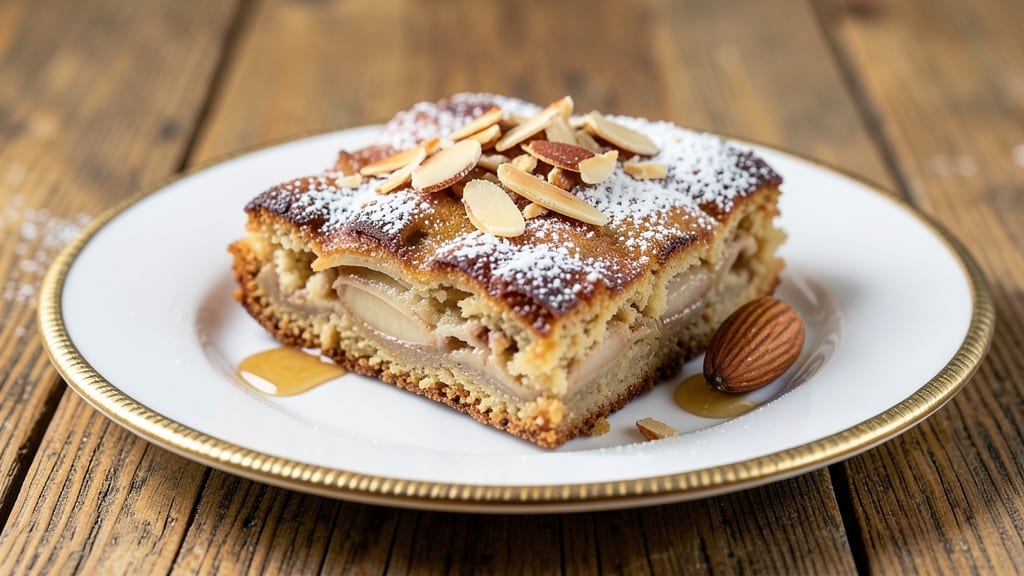
This burnt almond torte cookie recipe delivers crunchy caramelized edges and a nutty depth that makes every bite unforgettable. The secret lies in baking the cookies until the edges develop that signature burnt almond flavor—where sweetness meets smoky richness.
I've perfected this technique over years of testing, ensuring the perfect balance between crispy exterior and tender center.
The foundation of these cookies is almond flour, which provides that signature nutty flavor and rich texture. Combined with butter, sugar, and a touch of burnt almond extract, the result is a dessert that's both elegant and indulgent.
The caramelization happens at the edges, creating a contrast that makes each bite exciting. This isn't just a cookie—it's a sophisticated treat that pairs beautifully with coffee, tea, or even a glass of dessert wine.
What sets these apart is the controlled burning technique, where you bake the cookies just long enough to achieve that caramelized edge without overcooking the center. The result is a cookie that's crispy on the outside, tender inside, and packed with that irresistible burnt almond flavor.
It's the kind of dessert that feels special enough for guests but simple enough for a weeknight treat.
These cookies are perfect for gifting, serving at dinner parties, or enjoying with your morning coffee. The aroma alone will have everyone asking for the recipe. Let's get baking!
Ingredients for burnt almond torte cookie
Twelve ingredients crafting sophisticated cookies with caramelized edges and nutty depth.
| Ingredient | Amount | Notes |
|---|---|---|
| Almond Flour 🥜 | 3 cups | Finely ground, unsweetened preferred |
| Unsalted Butter 🧈 | 1 cup | Cold, cubed for even baking |
| Granulated Sugar 🍚 | 1 ½ cups | Superfine preferred for smooth texture |
| Light Brown Sugar 🍚 | ½ cup | Packed firmly for accurate measure |
| Large Eggs 🥚 | 2 whole | Room temperature for even mixing |
| Vanilla Extract 🥛 | 1 tsp | Pure vanilla preferred |
| Burnt Almond Extract 🌰 | 1 tsp | Key for signature flavor |
| Kosher Salt 🧂 | ½ tsp | Diamond Crystal preferred |
| All-Purpose Flour 🌾 | ½ cup | For structure and binding |
| Ground Cinnamon 🌿 | ½ tsp | Freshly ground for warmth |
| Toasted Slivered Almonds 🌰 | ½ cup | For garnish and texture |
| Dark Chocolate Chips 🍫 | ½ cup | 70% cocoa or higher |
Almond flour is the soul of these cookies—Bob's Red Mill or Anthony's Goods brands deliver the finest texture. The burnt almond extract (McCormick or Frontier are reliable) carries that signature smoky note. For the almonds, toast your own in a dry pan for 3-4 minutes until fragrant—store-bought lacks that fresh aroma. Butter should be cold when creamed with sugars to prevent spreading. I always measure flour by scooping and leveling; never packing.
No burnt almond extract? Double the vanilla plus 1/4 tsp almond extract gets you close. Sub almond flour with equal parts oat flour, though texture will differ slightly. For chocolate lovers, swap half the almond flour for cocoa powder. The cinnamon is non-negotiable—it enhances the caramelization. If you must skip it, add an extra pinch of salt to compensate. Chocolate chips can be omitted entirely for a purer almond flavor, but I find them essential for that luxurious bite.
Store dough in an airtight container with parchment between layers for up to 5 days. Baked cookies keep 1 week in a tin at room temperature or 2 weeks in the freezer. For gifting, package in cellophane bags with a sprig of rosemary tied around the top—elevates the presentation instantly. Reheat cookies at 300°F for 2 minutes to restore crispness if they've softened.
Why You'll Love This Recipe
- No Mixing Madness: I swear by this recipe because it’s one bowl, no food processor required. Just cream butter and sugars, fold in eggs and almond flour—done. The texture’s rich but not dense, thanks to that almond flour magic.
- Caramelized Edge Magic: That crispy, toasted almond flavor? It’s all in the sugar and butter ratio. The edges get just enough golden-brown burn to make them irresistible, while the center stays tender. Honestly, the first bite makes me forget about store-bought cookies.
- Party in a Jar: These freeze like a dream, so I bake a batch on Sundays and pull them out for coffee dates, last-minute gifts, or when my book club needs a snack. They’re fancy enough for guests but easy enough to throw together when I’m running late.
- Budget-Friendly Luxury: Almond flour might seem pricey, but a little goes a long way—these cookies yield so many with just a few eggs and a stick of butter. Plus, the brown sugar adds depth without breaking the bank. My wallet and taste buds both win.
Step-by-step instructions for burnt almond torte cookies
Here's how to create these decadent cookies with their signature caramelized edges and rich almond flavor.
Cream Butter and Sugars Together
In a stand mixer fitted with the paddle attachment, combine the 1 cup unsalted butter (cold and cubed) with the 1.5 cups granulated sugar and 0.5 cup light brown sugar. Beat on medium speed for 3-4 minutes until light and fluffy—you should see the mixture nearly double in volume and become pale.
This creaming process incorporates air into the dough, which creates those signature crackly tops and helps the cookies develop their signature caramelized edges. I press down on the butter mixture halfway through to ensure it's fully emulsified. The butter should be completely smooth with no visible lumps.
Add Eggs and Extracts for Depth of Flavor
Add the 2 whole large eggs one at a time, mixing on low speed for 30 seconds after each addition until fully incorporated. Then add the 1 tsp vanilla extract and 1 tsp burnt almond extract, mixing for another 10 seconds. The burnt almond extract is what gives these cookies their signature depth—don't skip this step.
The mixture will look slightly curdled after adding the eggs, but that's normal. The extracts will blend completely once you add the dry ingredients. I like to use room-temperature eggs for even mixing, but if they're cold, just give the mixture a few extra seconds to come together.
Combine Dry Ingredients for Structure
In a separate bowl, whisk together the 3 cups almond flour, 0.5 cup all-purpose flour, 0.5 tsp kosher salt, and 0.5 tsp ground cinnamon. Gradually add this mixture to the wet ingredients, mixing on low speed for 30-45 seconds until just combined. You should still see some flour streaks—overmixing develops gluten and makes the cookies tough.
Remove the bowl from the mixer and gently fold in the 0.5 cup toasted slivered almonds and 0.5 cup dark chocolate chips using a silicone spatula. The toasted almonds add texture, while the dark chocolate chips provide a rich contrast to the nutty flavor. Make sure they're evenly distributed throughout the dough.
Chill the Dough for Perfect Texture
Cover the bowl with plastic wrap and refrigerate for at least 1 hour (or up to 24 hours). Chilling solidifies the butter, preventing the cookies from spreading too thin in the oven. It also allows the flour to fully hydrate, creating a better texture.
Cold dough also means the cookies hold their shape better when they hit the hot oven, resulting in thicker cookies with those coveted caramelized edges. I always use the longest chilling time possible—overnight chilled dough gives the best results. If you're short on time, at least 1 hour will make a noticeable difference.
Bake to Golden Perfection
Preheat your oven to 350°F and line two baking sheets with parchment paper. Using a cookie scoop (or tablespoon), portion the chilled dough into 1.5-tablespoon portions (about 1 ounce each) and place them 3 inches apart on the prepared sheets. These cookies spread slightly, so don't overcrowd the pan.
Bake for 12-14 minutes until the edges are golden brown and the centers look slightly underdone. They'll continue cooking on the hot pan after you remove them from the oven. Let them cool on the baking sheet for 5 minutes before transferring to a wire rack. The cookies should be soft in the center with crispy, caramelized edges—this is what makes them special.
Pro Tips For Making Burnt Almond Torte Cookie
- CHILL THE DOUGH: I learned this the hard way—after burning three batches, I finally figured out that letting the almond-flour dough rest in the fridge for 30 minutes before baking makes all the difference. The butter stays firmer, the sugar dissolves more evenly, and you won’t end up with a sad, greasy mess.
- WEIGH YOUR ALMOND FLOUR: This isn’t the prettiest method, but it’s the tastiest: almond flour varies wildly in density. Use a kitchen scale for precision—aim for 160g (not cups) for a perfect texture. Packing it too loosely dries out the cookies; sifting once helps, but don’t overdo it or you’ll lose too much fat.
- BAKE IN STAGES: Start hot (375°F) for the first 8 minutes to kick off browning, then drop to 325°F for the remaining 12–15 minutes. The high heat caramelizes the sugars fast, while the lower temp ensures even cooking without burning. Yes, it’s an extra step—but your cookies won’t taste like a sad, underdone almond paste.
- SALT THE EGGS: Skip this, and your torte will taste flat. Add a pinch of fine sea salt (about ¼ tsp) directly to the egg mixture before folding in the dry ingredients. The butter’s unsalted, and the almond flour lacks depth—this one tiny tweak balances the sweetness without overpowering it. (Your future self will notice.)
Troubleshooting perfect results
Underbaked Centers
If your cookies emerge with pale centers that lack the signature tenderness, they need 1-2 extra minutes in the oven. The ideal texture combines a crispy exterior with a soft, gooey middle—this happens when the edges caramelize while the center stays just under 200°F.
Use an instant-read thermometer to check: insert it into the thickest part of a cookie. If it reads below 190°F, return to the oven for 30 seconds at most. Overbaking by even 1 minute turns them dry and crumbly. 🔥
Flattened Cookies
Cookies spreading too thin usually means the butter wasn't cold enough or the dough wasn't chilled long enough. Press each portion of dough into a ½-inch thick disc before baking to maintain shape.
For extra insurance, chill the shaped cookies on a baking sheet in the freezer for 10 minutes before baking. I also recommend using a cookie scoop to portion dough—it creates more uniform shapes that hold their form better.
If they still spread excessively, reduce your oven temp to 340°F next time.
No Caramelization
The key to those coveted burnt almond edges is baking until the edges reach golden brown to deep caramel color. If yours stay pale, try these fixes: 1) Increase baking time by 1-2 minutes and check frequently after 12 minutes.
- Use a dark baking sheet (like a half-sheet pan) to absorb more heat.
- Place a tray of water on the lower oven rack to create steam, which helps develop browning.
For extra flavor, brush the tops with egg wash (1 egg yolk + 1 tsp water) before baking—this promotes deeper caramelization.
Dough Too Sticky
Sticky dough usually means overmixing or insufficient flour. If your dough clings to your hands, add 1-2 tablespoons more almond flour (up to ½ cup total) and mix gently. For extra insurance, chill the dough for 2 hours instead of 1—this helps the flour absorb moisture.
If the dough still feels too wet, try adding 1 tablespoon cornstarch to the dry ingredients. Remember: almond flour absorbs moisture differently than all-purpose flour, so don't be afraid to adjust slightly. The dough should hold its shape when pressed but still be pliable. ✨
Burnt Almond Flavor Weak
If your cookies lack that signature burnt almond aroma, boost the flavor in these ways:
- Use ½ tsp more burnt almond extract (up to 1.5 tsp total).
- Toast 2 extra tablespoons of slivered almonds and fold them into the dough.
- For a smoky depth, add ¼ tsp smoked paprika to the dry ingredients. If you're using store-bought almond flour, pulse it in your food processor for 30 seconds to freshen it—pre-ground flour loses flavor quickly. For an extra boost, sprinkle the tops with finely ground toasted almonds before baking.
Cookies Too Dry
Dry cookies often result from overbaking or using too much almond flour. First, check your baking time—pull them when edges are just set but centers still look slightly underdone. If they're consistently dry, try these adjustments: 1) Reduce almond flour by ¼ cup and add ¼ cup more butter.
- Add 1 tablespoon heavy cream to the dough for moisture.
- Bake at 340°F instead of 350°F for slightly slower cooking. For extra richness, fold in 2 tablespoons chopped dates or 1 tablespoon honey with the wet ingredients.
Store cookies in an airtight container with a slice of bread to prevent them from drying out further.
Nutrition facts
Frequently asked questions
What makes these torte cookies different from regular almond cookies?
The key difference is the burnt almond flavor and the caramelized edges achieved through precise baking. While regular almond cookies focus on nutty sweetness, these feature a smoky depth from burnt almond extract and a crispy exterior that's almost torte-like in texture. The almond flour base also creates a denser, more sophisticated crumb than traditional cookies.
Can I make these cookies without burnt almond extract?
Yes! For a similar flavor, combine 1 tsp vanilla extract with ¼ tsp almond extract (regular, not burnt). Toast extra slivered almonds (up to ½ cup total) and fold them into the dough for enhanced nutty aroma. The texture will be slightly less smoky, but still delicious. For a stronger burnt note, try adding ¼ tsp smoked paprika to the dry ingredients.
How do I store these cookies to maintain crispness?
Store in an airtight container with parchment paper between layers at room temperature for up to 1 week. For longer storage, freeze for 2 weeks. To restore crispness, reheat at 300°F for 2 minutes. For gifting, package in cellophane bags with a sprig of rosemary—it keeps them fresh longer while adding presentation.
Why do my cookies spread too much?
This usually happens when butter isn't cold enough or dough isn't chilled long enough. Press each portion into a ½-inch thick disc before baking, and chill shaped cookies on a tray for 10 minutes before baking. Use a cookie scoop for uniform portions, and consider reducing oven temp to 340°F if spreading persists. Cold dough holds its shape better!
What's the best way to serve these cookies?
Pair with hot coffee, espresso, or dessert wine like port or tawny. For an elegant presentation, arrange on a platter with a dusting of powdered sugar and fresh mint. Serve warm for maximum flavor—reheat at 300°F for 2 minutes to restore crispness. The caramelized edges melt slightly when warm, enhancing their buttery richness.