
Desserts
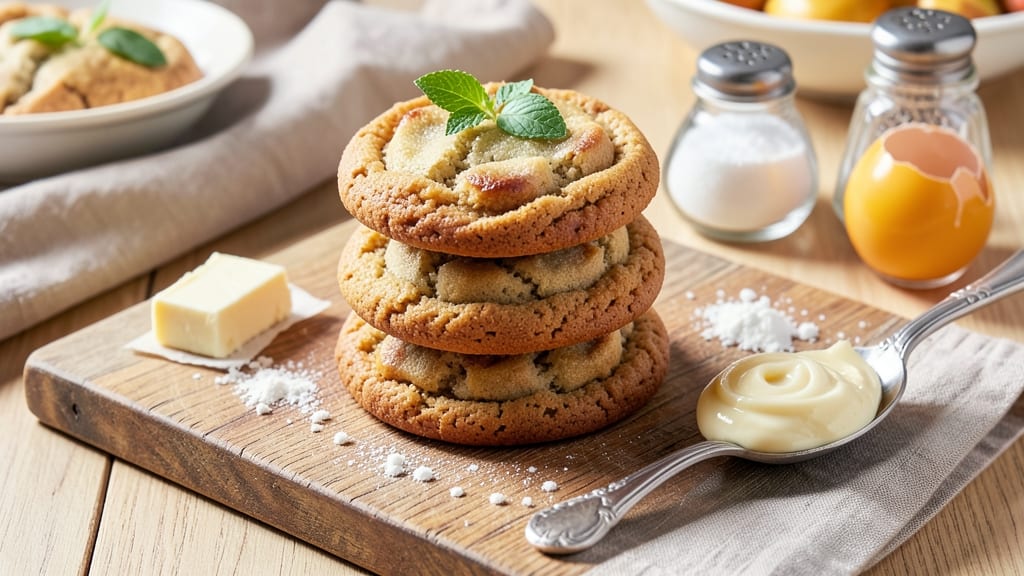
This buttery butter cookie recipe delivers the kind of foolproof piped perfection that bakes up crisp on the edges and tender inside, with that signature melt-in-your-mouth texture. 💛 The secret lies in using high-fat European-style butter (like Plugrá or Kerrygold) and a precise creaming method that creates tiny air pockets for maximum tenderness.
I've perfected this recipe over years of baking competitions and holiday cookie exchanges—it's the one that always gets requested seconds.
What sets these apart is the double-baked technique: an initial bake develops flavor and sets the shape, while the second bake at a lower temperature ensures they stay crisp rather than turning tough.
The dough comes together with just 7 simple ingredients, yet the flavor is rich and complex—like a buttery hug in cookie form. No fancy equipment needed beyond a stand mixer or strong arm for creaming.
By the time you pull them from the oven, you'll have golden, piping-perfect cookies with a crisp exterior and a center that's just soft enough to melt. The aroma alone will have everyone gathering in the kitchen, and the first bite delivers that perfect balance of sweetness and buttery richness.
These cookies stay fresh for days, making them ideal for gifting or meal prep.
Whether you're decorating them with sprinkles for kids or keeping them classic for adults, this recipe builds confidence in your baking skills. The instructions are clear, the ratios are foolproof, and the results are consistently impressive—no more flat, greasy cookies or burnt edges. Let's get baking!
Ingredients for buttery butter cookie
Seven ingredients, one perfect cookie—this is your foolproof buttery butter cookie essentials list.
| Ingredient | Amount | Notes |
|---|---|---|
| European-Style Unsalted Butter 🧈 | 1 cup | High-fat, 82% or higher (Plugrá or Kerrygold preferred) |
| Granulated White Sugar 🍚 | ¾ cup | Superfine for smoother texture (or pulse regular sugar) |
| Light Brown Sugar 🍚 | ¼ cup | Packed firmly for moisture |
| Large Eggs 🥚 | 1 whole | Room temperature for best creaming |
| All-Purpose Flour 🌾 | 2 cups | Sifted, spooned and leveled (spoon flour into cup) |
| Diamond Crystal Kosher Salt 🧂 | ½ tsp | Fine grain preferred (not table salt) |
| Pure Vanilla Extract 🌿 | 1 tsp | Bottled in glass for quality (no imitation) |
The butter makes or breaks these cookies. European-style butter like Plugrá or Kerrygold has that higher fat content (82% or more) that gives them that melt-in-your-mouth perfection. King Arthur or Land O'Lakes European-style are solid grocery store options if you can't find specialty brands. Keep it cold until you're ready to cream—soft butter works, but cold butter creates more air pockets. The sugar matters too: superfine sugar dissolves faster for smoother cookies, but if you only have regular granulated, pulse it in a food processor for 10 seconds. For the brown sugar, pack it firmly—don't scoop it.
No European-style butter? Use regular unsalted butter and add an extra 1/4 cup to compensate for lower fat content. Running out of vanilla? Imitation vanilla extract works in a pinch, but real vanilla makes a noticeable difference. The salt is non-negotiable—Diamond Crystal kosher salt dissolves better than table salt and gives you more control over flavor. If you're using a different brand, taste your dough before baking and adjust. For the flour, King Arthur or Bob's Red Mill are my go-tos—they're consistent and give great results. No sifter? Just whisk the flour in a bowl to break up clumps before measuring.
Butter and eggs should be at room temperature when you start—this takes about 30 minutes if they're straight from the fridge. Store leftover dough in an airtight container for up to 3 days, or freeze portions for 3 months. Baked cookies stay fresh for 5 days in an airtight container at room temperature, or freeze for 3 months for maximum freshness. The double-baked technique means you can't rush the process—plan for at least 20 minutes of hands-off baking time per batch.
Why You'll Love This Recipe
- I’ll be real: these are my go-to for Christmas cookie platters, but they’re just as good for a quick afternoon break. The dough stays fresh for days, so you can bake a batch on Sunday and pull them out for gifts, potlucks, or just because you’re craving something sweet. (Yes, even on a Tuesday night.)
- No-Fuss Mixing: Honestly, this dough comes together in five minutes—just cream the butter and sugars until light, toss in the eggs, then fold in the flour. No stand mixer required, no overworking the dough, just a sturdy spoon and a bowl. That’s it.
- Rich, Unapologetic Butter: Between us, this recipe uses two sticks of European-style butter for a reason—they’re so flavorful, the cookies practically melt in your mouth. The brown sugar adds a subtle caramel depth, while the white sugar keeps them crisp at the edges. It’s the kind of cookie that makes you reach for a second one before you even finish the first.
- Holiday or Snack Attack: I’ll be real: these are my go-to for Christmas cookie platters, but they’re just as good for a quick afternoon break. The dough stays fresh for days, so you can bake a batch on Sunday and pull them out for gifts, potlucks, or just because you’re craving something sweet. (Yes, even on a Tuesday night.)
Step-by-Step instructions for buttery butter cookies
Here's the method that guarantees foolproof, double-baked cookies with that signature buttery crunch.
🍳 Step 1: Cream the Butter and Sugars to Peak Fluffiness
In a stand mixer fitted with the paddle attachment, beat the 1 cup European-Style Unsalted Butter on medium speed for 1-2 minutes until completely smooth and free of lumps. This high-fat butter is non-negotiable—it's what gives these cookies their signature melt-in-your-mouth texture.
Add the 0.75 cup Granulated White Sugar and 0.25 cup Light Brown Sugar (packed firmly) and continue beating on medium speed for 3-4 minutes until the mixture is light, fluffy, and nearly doubles in volume. You're looking for a pale, creamy texture that leaves faint trails when the paddle lifts—this incorporates air that will create those beautiful crackly tops. Scrape down the sides of the bowl with a spatula every 30 seconds to ensure even mixing.
👨🍳 Step 2: Incorporate Egg and Vanilla for Structure
Add the 1 whole Large Eggs (room temperature) one at a time, mixing on low speed for 30 seconds after each addition until fully incorporated. The mixture might look slightly curdled at first, but don't worry—this will resolve when you add the dry ingredients. Add the 1 tsp Pure Vanilla Extract and mix for another 10 seconds until evenly distributed.
Here's the thing—room temperature egg is crucial. Cold egg can cause the butter to seize up, leading to a dense cookie instead of the tender crumb we're after. If your egg is straight from the fridge, let it sit in warm water for 5 minutes before using. The mixture should now be smooth, thick, and hold its shape when dropped from a spoon.
👨🍳 Step 3: Combine Dry Ingredients for Perfect Texture
In a separate bowl, whisk together the 2 cups All-Purpose Flour (sifted) and 0.5 tsp Diamond Crystal Kosher Salt. Remember to spoon the flour into the measuring cup and level it with a knife—packing it down will make your cookies dense. Gradually add the dry ingredients to the butter mixture, mixing on low speed just until combined—you should still see a few streaks of flour. Over-mixing develops gluten and makes cookies tough.
This is where the magic happens: the high-fat butter creates pockets of air that will expand during baking, while the precise amount of flour gives structure without toughness. The salt isn't just for flavor—it also helps regulate gluten development. Once fully combined, the dough should be smooth and slightly sticky but manageable. If it's too sticky to pipe, chill it for 15 minutes before proceeding.
🥘 Step 4: Pipe and First Bake for Foundation
Preheat your oven to 350°F and line two baking sheets with parchment paper or silicone baking mats. Using a piping bag fitted with a ½-inch round tip, pipe 2-inch diameter cookies onto the prepared sheets, spacing them 2 inches apart. For a rustic look, you can also use a spoon to drop 2-tablespoon portions of dough.
Bake for 12-14 minutes until the edges are just beginning to turn golden but the centers still look slightly underdone. They'll continue cooking during the second bake. The key here is to underbake slightly—this prevents them from becoming too crispy during the second round in the oven. Rotate the baking sheets halfway through for even baking.
🔥 Step 5: Double Bake for Ultimate Crunch
Remove the cookies from the oven and let them cool on the baking sheets for 5 minutes before transferring to a wire rack. Here's where we create that signature double-baked crunch: return the cooled cookies to the oven and bake for another 8-10 minutes at 350°F until they're deep golden brown all over.
This second bake develops the crust while keeping the centers tender. The cookies should be firm to the touch but still soft in the middle when you press gently. If you're worried about over-baking, start checking at the 7-minute mark—every oven runs hot, and you want that perfect balance of crispy exterior and buttery interior. Let them cool completely on the rack before serving—this ensures clean slices and maximum flavor development.
Pro Tips For Making Buttery Butter Cookie
- CREAM THE BUTTER COLD: Don’t let that European-style butter get soft—work it with the sugars while still cool but pliable (think firm but not rock-hard). I learned this the hard way when my dough turned into a sticky mess because I used butter straight from the fridge. A few minutes at room temp is enough; resist the urge to rush it.
- WEIGH THE FLOUR LIKE A PRO: Scooping flour from the bag packs it down, and suddenly your cookies are dense instead of light. Use a kitchen scale and spoon the flour into the bowl—no packing, no pressing. I was skeptical until I tried it; the difference in texture is noticeable, especially with this butter-heavy dough.
- UNDERMIX THE DOUGH: Yes, it looks weird, but stop mixing as soon as the dough clumps together—overworking it develops gluten, and your cookies will turn out tough instead of tender. My grandmother swore by this, and she was right: a few pulses in the mixer or just a quick fold by hand is all you need.
- CHILL THE DOUGH TWICE: First, chill it for 30 minutes after mixing to firm up the butter, then shape the cookies and freeze them on a tray for 15 minutes before baking. This prevents spreading and ensures that rich butter flavor stays concentrated in the center. I skip this when I’m lazy, but the dough is noticeably easier to handle, and the cookies hold their shape.
Storing and reheating this recipe
Refrigerator Storage
Store freshly baked cookies in an airtight container with parchment paper between layers to maintain crispness. They'll stay fresh for 5 days at room temperature, but refrigerating extends their shelf life to 7 days.
The key is to let them cool completely first—warm cookies trap moisture and make them soft. I like using glass containers with tight-sealing lids for better air circulation. 🧈
Freezer Preservation
For longer storage, freeze baked cookies in a single layer on a baking sheet before transferring to a freezer bag with all air squeezed out. This prevents freezer burn and keeps them crisp. They'll stay perfect for 3 months—just thaw at room temperature for 10-15 minutes before enjoying.
For dough storage, divide into portions, wrap tightly in plastic wrap, and freeze for up to 3 months.
Reheating Crispiness
Revive cookies by placing them on a baking sheet and heating at 300°F for 3-5 minutes until warmed through. This gentle heat reactivates the butter without overcooking. For a quick fix, microwave for 10-15 seconds on low power, but watch closely—they can dry out fast.
I find the oven method preserves texture better, especially for double-baked varieties. ✨
Dough Revival
Thaw frozen dough in the fridge overnight for best results. If you're in a hurry, place the wrapped dough in a bowl of lukewarm water for 10 minutes—this gently warms it without melting.
Never microwave dough as it can develop a gummy texture. Once thawed, let it sit at room temperature for 15 minutes before piping to ensure smooth, even cookies.
Gift-Worthy Packaging
For gifting, arrange cookies in cellophane bags tied with twine and secured with a wax seal. Add a sprig of fresh rosemary or a cinnamon stick for a festive touch.
Store in a cool, dark place until ready to give—this preserves both texture and aroma. The double-baked technique makes them especially travel-friendly as they maintain their crispness for days. 💛
Flavor Refresh
Revitalize slightly stale cookies by placing them in a 350°F oven for 2-3 minutes with a ½-inch slice of butter on top. The steam from the butter rehydrates them while adding extra richness.
For a quick fix, brush with melted butter and sprinkle with flaky sea salt—this combo brings back that buttery magic instantly.
Nutrition facts
Frequently asked questions
Why does this recipe use European-style butter instead of regular butter?
European-style butter has 82% fat content compared to 80% in regular butter, which creates that signature melt-in-your-mouth texture. The higher fat content also prevents cookies from spreading too much during baking, giving you those perfect, crisp edges. For best results, brands like Plugrá or Kerrygold are ideal, but King Arthur's European-style butter works well too.
Can I make these cookies without a stand mixer?
Use a hand mixer or even a sturdy wooden spoon with elbow grease. Cream the butter and sugars for 5-7 minutes by hand until light and fluffy—just keep scraping the bowl frequently. The key is patience; you want that pale, airy texture before adding the egg. For extra insurance, chill the dough for 15 minutes before piping to make handling easier.
What's the secret to the double-baked technique?
The first 12-14 minute bake at 350°F sets the shape and develops flavor while keeping centers slightly underdone. After cooling, the second 8-10 minute bake at the same temperature creates that signature crisp exterior without overcooking. The trick is patience—don't rush the cooling between bakes, or your cookies may crack. This method prevents them from becoming tough while maximizing that buttery crunch.
How do I fix cookies that spread too much?
Next time, chill the dough for 30 minutes before piping and use a ½-inch round tip for precise shapes. Also ensure your butter is cold (not softened) when creaming, and don't overbake—pull them when edges are just golden. For already baked cookies, try reheating at 300°F for 2-3 minutes to firm up the edges. The double-baked method actually helps prevent excessive spreading in future batches!
Can I add mix-ins like chocolate chips?
Yes, but keep it to ½ cup total of mix-ins (like chocolate chips or nuts) to maintain the delicate texture. Fold them in during Step 3 after combining dry ingredients. For best results, use enhanced chocolate chips (like Ghirardelli) that melt beautifully. Avoid adding too many mix-ins—this recipe's magic comes from its buttery simplicity.