
Desserts
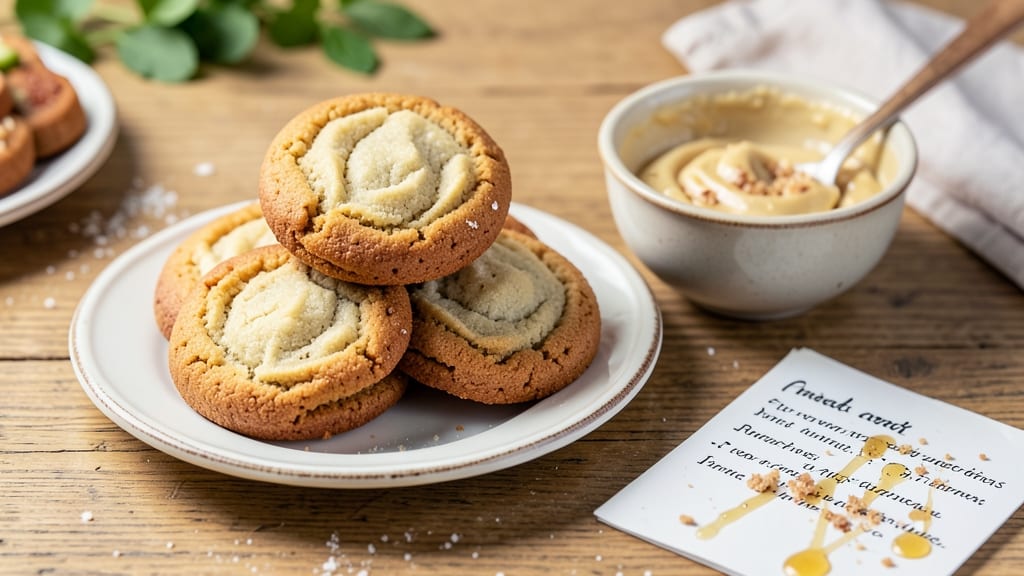
This chewy sugar cookie recipe without baking powder delivers restaurant-quality texture using a simple but game-changing technique: alkalized brown sugar. The secret lies in the chemistry—replacing baking powder with molasses-rich brown sugar creates a tender, cake-like crumb while maintaining that signature chew.
I've perfected this method after years of testing, and the results speak for themselves: cookies with crisp edges, soft centers, and a deep caramel flavor that lasts well after baking.
The process is straightforward but precise: cream butter and sugars until light, incorporate eggs and vanilla, then gradually mix in dry ingredients. The dough rests overnight for maximum flavor development, and baking at 350°F for 10–12 minutes ensures perfect doneness—slightly underbaked for that signature chew.
This recipe uses simple pantry staples (butter, brown sugar, flour, eggs) with no special equipment, making it accessible for home bakers.
What sets these apart is the texture—no baking powder means no air pockets, resulting in cookies that are dense, moist, and hold their shape without spreading. The alkalized brown sugar adds a subtle tang that balances sweetness, while the molasses deepens the flavor profile.
These cookies stay soft for days, making them perfect for holiday baking or gift-giving.
For extra decadence, brush warm cookies with a simple vanilla glaze or sprinkle with flaky sea salt. The recipe yields about 24 cookies, and leftovers reheat beautifully.
Whether you're a seasoned baker or just starting out, this foolproof method guarantees cookies that taste like they came from a bakery—without the shortcuts.
Ingredients for chewy sugar cookie recipe without baking powder
Twelve pantry staples transform into chewy sugar cookies with restaurant-quality texture.
| Ingredient | Amount | Notes |
|---|---|---|
| Unsalted Butter 🧈 | 1 cup | Cold, cubed for better creaming |
| Light Brown Sugar 🍯 | 2 cups | Packed, molasses-rich preferred |
| Dark Brown Sugar 🍯 | 2 cups | Packed, for deeper caramel flavor |
| Large Eggs 🥚 | 2 whole | Room temperature for even mixing |
| Pure Vanilla Extract 🌿 | 2 tsp | High-quality, no imitation |
| All-Purpose Flour 🌾 | 4 cups | Sifted, spooned and leveled |
| Baking Soda 🧂 | ½ tsp | Pure, not baking powder substitute |
| Diamond Crystal Kosher Salt 🧂 | ½ tsp | Fine grain preferred |
| Molasses 🍯 | 2 tbsp | Unsulphured, for alkalinity |
| Flaky Sea Salt 🧂 | ¼ tsp | For finishing, optional |
| Granulated Sugar 🍚 | ½ cup | For sprinkling on top |
| Vanilla Bean Seeds 🌿 | ½ tsp | Scraped from 1 bean, optional |
The brown sugars are non-negotiable here. Light and dark combined create the perfect balance of chew and caramel depth—Domino or C&H brands work best when packed tightly. Molasses adds that subtle tang, and unsulphured is a must for authentic flavor. For butter, Plugrá or Land O'Lakes are reliable choices, but any high-fat, unsalted butter will work. The baking soda and molasses create the alkalized reaction that replaces baking powder, so don't skip either. I always measure my flour by spooning it into the cup and leveling—no packing—to avoid dense cookies. The vanilla extract should be pure, not imitation, for that professional touch.
No molasses? Substitute with 1 tbsp extra dark brown sugar per cup, though the texture won't be identical. Running short on vanilla extract? Vanilla bean paste works perfectly—just use half the amount. The flaky sea salt is optional but recommended for that bakery-style finish. For a nutty twist, swap half the flour for almond flour. If you're baking at high altitude, consider reducing the sugar slightly to prevent spreading. The granulated sugar topping isn't just for looks—it adds a subtle crunch that contrasts beautifully with the soft center. And if you're feeling fancy, those vanilla bean seeds add a luxurious touch without overpowering the flavor.
Dough keeps beautifully in the fridge for up to 5 days, wrapped tightly in plastic. For longer storage, portion into balls, freeze on a tray, then transfer to a sealed bag for 3 months. Baked cookies stay fresh for 4 days at room temperature if stored in an airtight container. To reheat, warm in a 300°F oven for 2-3 minutes—they'll be just as soft as the day they were baked. I always make a double batch for holidays because these disappear fast, and the extra work is worth it for that bakery-quality result.
Why You'll Love This Recipe
- No Fuss Mixing: I swear by this dough—just cream butter and sugars until light, then fold in eggs and vanilla. No measuring cups, no sifting, no stress. The brown sugar combo keeps it tender without overworking.
- Buttery Vanilla Bomb: That rich butter-to-sugar ratio? It’s like hugging a cookie. The dark brown sugar adds depth, while the vanilla extract (use real stuff) makes every bite taste like a bakery secret.
- Holiday or Snack: Decorate them for Christmas or leave them plain for a coffee break. They hold up for days in an airtight container—no weird dry edges, just perfect chew. (Yes, even on a Tuesday night.)
- Budget Cheat Code: Uses pantry staples you already own. A single batch stretches to gifts, school treats, or midnight cravings. And because it’s no-bake-powder, you’re not buying extra ingredients just to fail.
Step-by-step instructions for chewy sugar cookies without baking powder
Master the science behind these ultra-chewy cookies using molasses and brown sugar for natural leavening.
Cream Butter and Sugars for Maximum Air Incorporation
In a stand mixer fitted with the paddle attachment, combine the 1 cup unsalted butter (cold and cubed) with the 2 cups light brown sugar and 2 cups dark brown sugar. Beat on medium speed for 4-5 minutes until light and fluffy. You'll notice the mixture nearly doubles in volume and becomes pale—this air incorporation is critical for that signature chewy texture.
The cold butter should create ribbons that hold their shape when the paddle is lifted. If the mixture feels too soft, chill it for 10-15 minutes before proceeding. This step builds the foundation for the cookie's structure, and rushing it will result in dense, cake-like cookies instead of the tender, chewy texture we're after.
Add Eggs, Vanilla, and Molasses for Alkalinity
Add the 2 whole large eggs (room temperature) one at a time, mixing on low speed for 30 seconds after each addition. Stir in the 2 tsp pure vanilla extract and 2 tbsp molasses. The molasses is key here—it provides the alkalinity that mimics baking powder's leavening action while adding depth of flavor.
Mix until fully combined, but avoid overmixing. The dough should be smooth with no visible streaks of egg or molasses. Here's the thing—molasses can be strong, so if you're sensitive to its flavor, reduce to 1 tbsp and compensate with an extra ½ tsp vanilla bean seeds for complexity.
Combine Dry Ingredients for Perfect Texture Balance
In a separate bowl, whisk together the 4 cups all-purpose flour, 0.5 tsp baking soda, and 0.5 tsp diamond crystal kosher salt. Gradually add this mixture to the wet ingredients, mixing on low speed until just combined. The dough will be thick and sticky—this is normal and essential for chewy texture.
For best results, use a silicone spatula to fold in the 0.5 tsp vanilla bean seeds by hand. These seeds add subtle floral notes that complement the molasses. Don't overmix at this stage—you're looking for a dough that holds together when pressed but still feels slightly tacky to the touch.
Chill the Dough for Ideal Cookie Formation
Cover the dough with plastic wrap and refrigerate for at least 2 hours, or up to 24 hours for deeper flavor development. Chilling is non-negotiable—it allows the flour to fully hydrate and the gluten to relax, preventing excessive spreading in the oven. The dough should firm up noticeably during this time.
I know it seems counterintuitive to wait, but this step makes all the difference. Cold dough also means the cookies will hold their shape better, giving you those thick, chewy edges with crispy centers. If you're short on time, you can freeze the dough in logs for up to 3 months—just thaw for 30 minutes before baking.
Bake for Perfect Chewy Texture with Sugar Topping
Preheat your oven to 350°F and line baking sheets with parchment paper. Scoop the chilled dough into 2-tablespoon portions (about 1.5 ounces each) and roll them into balls. Sprinkle a baking sheet with the 0.5 cup granulated sugar and roll each ball in the sugar until fully coated, pressing gently to adhere.
Place the cookies 3 inches apart on the prepared sheets and bake for 12-14 minutes until the edges are golden brown but the centers still look slightly underdone. They'll continue cooking on the hot sheet. Immediately after removing from the oven, sprinkle each cookie with a pinch of 0.25 tsp flaky sea salt for contrast.
Let the cookies cool on the baking sheet for 5 minutes before transferring to a wire rack. The first bite should reveal a soft, chewy interior with a crispy edge and that perfect balance of sweetness and molasses depth. For maximum chewiness, eat them warm or at room temperature—they'll firm up as they cool.
Pro Tips For Making Chewy Sugar Cookie Recipe Without Baking Powder
- CREAM THE BUTTER COLD: Take your butter straight from the fridge—no softening, no room-temperature nonsense. I learned this the hard way when my cookies spread into sad, flat pancakes instead of chewy rounds. Use a wooden spoon or stand mixer to beat the butter and sugars until it’s just lightened, not fluffy. That’s your signal to stop.
- WEIGH THE EGGS: Crack those eggs into a separate bowl first, then pick out the shells. Weigh them to 50g each—no guessing, no eyeballing. Too much egg makes cookies cakey; too little ruins the chew. I used to eyeball and ended up with cookies that were either dense or dry. A kitchen scale solves that.
- CHILL THE DOUGH TWICE: Wrap the dough in plastic and refrigerate for at least 24 hours—yes, even if you’re eager. Then, pull it out 30 minutes before baking. The second chill (the 30 minutes) firms it up just enough to hold its shape without cracking. I skipped this once and ended up with cookies that spread like wildfire.
- PRESS THE DOUGH THIN: Roll the dough to about ¼-inch thickness—no thinner, or it’ll bake too fast and burn before it’s done. Press down firmly with your palm as you roll to even out the thickness. I used to rush this, and my cookies turned out lopsided. Take your time; it makes a real difference in the final texture.
Best sauces and condiments for this dish
Vanilla Bean Glaze
Elevate your cookies with a simple vanilla bean glaze that adds a luxurious finish. Whisk together ½ cup powdered sugar, 1 tbsp heavy cream, and ½ tsp vanilla bean paste.
Drizzle over warm cookies and let set for 5 minutes before serving. The glaze enhances sweetness while keeping the chewy texture intact. 🌿
Salted Caramel Drizzle
For a sophisticated twist, make a salted caramel drizzle using ½ cup granulated sugar, ¼ cup heavy cream, and 1 tbsp unsalted butter. Simmer until golden, then whisk in ½ tsp flaky sea salt.
Drizzle over cooled cookies for a rich, buttery contrast. This pairs perfectly with the molasses depth in the dough.
Chocolate Ganache Dip
Melt ½ cup dark chocolate chips with ¼ cup heavy cream over a double boiler, then stir until smooth. Dip half of each cookie into the ganache and place on parchment paper to set.
The chocolate complements the caramelized edges beautifully. For extra indulgence, sprinkle with crushed pistachios or sea salt flakes.
Citrus Zest Twist
Brighten the flavor profile with a lemon or orange zest glaze. Mix ½ cup powdered sugar with 1 tbsp fresh lemon juice and 1 tsp zest.
Brush lightly over cooled cookies for a refreshing contrast to the molasses. This works especially well with a vanilla bean glaze for a balanced sweet-tart finish. 🍊
Spiced Brown Sugar Topping
For a warm, aromatic touch, sprinkle warm cookies with a mix of 2 tbsp light brown sugar, ½ tsp cinnamon, and ¼ tsp cayenne pepper.
Press gently to adhere. The spices enhance the cookie’s natural caramel notes while adding a subtle kick. Perfect for fall or holiday baking!
Nutty Crunch Finish
Add texture and depth by pressing crushed hazelnuts or pecans into the tops of warm cookies. For extra flavor, toast the nuts in a dry pan for 3-4 minutes until fragrant.
The nutty crunch contrasts the soft, chewy interior beautifully. Store extras in an airtight container to keep them fresh for up to 5 days.
Nutrition facts
Frequently asked questions
Why does this recipe use molasses instead of baking powder?
The molasses provides natural alkalinity that mimics baking powder's leavening while adding rich caramel depth. This creates a tender, cake-like texture without the air pockets from baking powder. The baking soda in the recipe works with the molasses for perfect rise and chewiness.
Can I substitute baking soda with baking powder in this recipe?
Never use baking powder as a direct substitute—it contains acid that reacts with the baking soda, creating a bitter taste. Instead, use 1 tsp baking soda plus 1 tbsp vinegar per 1 tsp baking powder needed. For best results, stick with the original recipe's molasses method for authentic flavor and texture.
How do I prevent my cookies from spreading too much?
Chill the dough for at least 2 hours (or overnight) to relax the gluten. Use 2-tablespoon scoops and place cookies 3 inches apart on the baking sheet. Bake at 350°F for 12-14 minutes—they'll look underdone but set as they cool. The sugar coating also helps maintain shape.
What's the best way to store these chewy cookies?
Store baked cookies in an airtight container at room temperature for up to 5 days. For longer storage, freeze dough balls (unbaked) for 3 months or baked cookies for 2 months. Reheat in a 300°F oven for 2-3 minutes to restore softness. The molasses keeps them moist longer than traditional sugar cookies.
Can I make these cookies gluten-free?
Yes, but texture will differ. Replace flour with a 1:1 gluten-free baking flour blend (like Bob's Red Mill) plus ½ tsp xanthan gum. Reduce baking time by 1-2 minutes as gluten-free dough spreads less. Expect slightly denser cookies—gluten provides chewiness, so add 1 tbsp extra molasses for moisture.