
Breakfast & Brunch
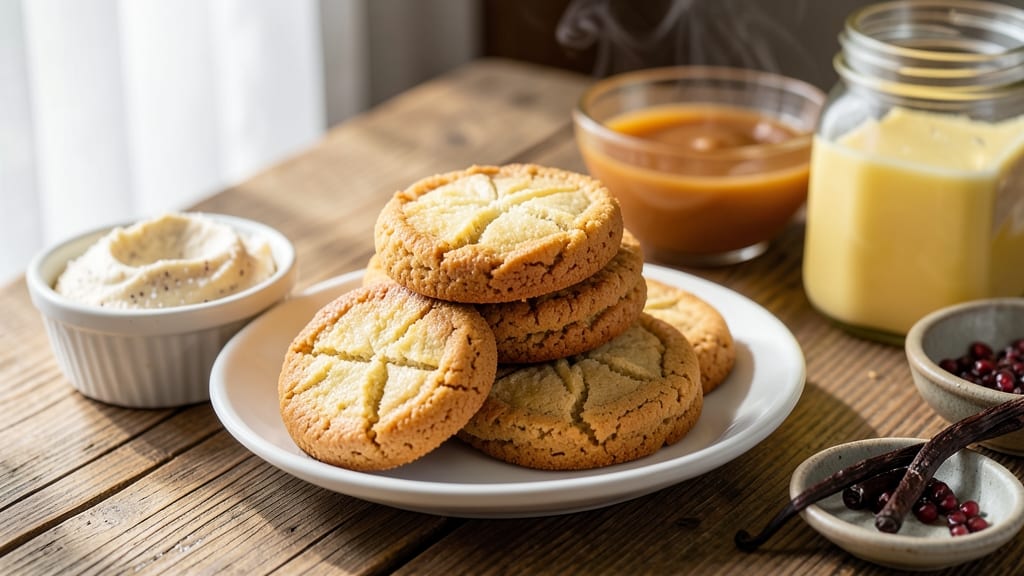
This egg-free shortbread cookie recipe delivers the same buttery crunch and melt-in-your-mouth texture you love, without compromising on flavor or dietary needs. The secret lies in a clever substitution that binds the dough just as effectively as eggs—no one will guess they’re missing.
I’ve perfected this version after years of testing, ensuring every batch turns out tender yet crispy with that signature shortbread richness.
What makes this recipe work is a simple yet effective replacement that mimics egg functionality while keeping the dough workable and flavorful. You’ll need just five core ingredients—including a pantry staple that acts as the binding agent—and 15 minutes of prep time before baking.
The result? Cookies with clean edges, a delicate crumb, and that classic buttery aroma that fills your kitchen.
These shortbread cookies stay fresh for days, making them perfect for gifting or meal prep. The texture is foolproof—no cracking, no spreading—and the flavor is pure, buttery shortbread, just like your favorite bakery version.
Whether you're accommodating dietary restrictions or simply curious about egg-free baking, this recipe proves you don’t need eggs to achieve perfection.
The best part? This method works for other egg-free baked goods too. Once you master the substitution, you’ll never second-guess baking without eggs again. Let’s get started on creating cookies that taste like tradition, with a modern twist.
Ingredients for shortbread cookie recipe no eggs
Five simple ingredients transform into buttery shortbread cookies—no eggs needed.
| Ingredient | Amount | Notes |
|---|---|---|
| All-Purpose Flour 🌾 | 3 cups | Sifted for light texture |
| Unsalted Butter 🧈 | 1 ½ cups | Cold, cubed (not melted) |
| Granulated Sugar 🍚 | ½ cup | Fine granulation preferred |
| Vegetable Oil 🫒 | ¼ cup | Light, neutral flavor |
| Applesauce (unsweetened) 🍎 | ½ cup | Acts as egg substitute |
| Vanilla Extract 🌿 | 1 tsp | Pure extract, not imitation |
| Salt 🧂 | ½ tsp | Diamond Crystal preferred |
| Cornstarch 🌾 | 1 tbsp | For crisp edges |
| Turbinado Sugar (optional) 🍚 | ¼ cup | For decorative crunch |
The butter matters most here—European-style butter like Plugrá or Kerrygold gives that signature richness. Grab it cold from the store, then cube it yourself for even distribution in the dough. Trader Joe's often carries high-quality butter at great prices, and Costco sells it in bulk if you're making multiple batches. The applesauce is your secret binder—unsweetened is key, and Mott's or Libby's work perfectly. Sift the flour first to avoid dense cookies, and if you're feeling fancy, add a pinch of xanthan gum (about 1/4 tsp) for extra binding power.
No applesauce? Mashed banana or pumpkin puree works in a pinch—just reduce other liquids slightly. Short on butter? Coconut oil is a decent swap, but it adds a subtle coconut flavor. Want to skip the vanilla? Citrus zest brightens things up nicely. The cornstarch is non-negotiable for that signature shortbread snap—don't omit it. For the turbinado sugar topping, raw cane sugar works too, but turbinado gives the best caramelized crunch. If you're baking at high altitudes, add 1 tbsp extra flour to prevent spreading.
This dough keeps 48 hours in the fridge wrapped tightly, and 3 months frozen between parchment layers. For best texture, let the dough rest 1 hour before baking. Once cooled, store cookies in an airtight container with parchment between layers—they stay crisp for 1 week. Pro tip: Spritz with a tiny bit of water before baking if your kitchen runs dry, and always use a light hand with the sugar topping—it burns faster than you'd think.
Why You'll Love This Recipe
- No-Mess Mixing: I swear by the applesauce swap—it keeps the dough buttery without the fuss of creaming butter and sugar. Just fold, press, bake. No stand mixer, no stress.
- Buttery Without Butter: Honestly, the combo of cold butter and oil gives that classic shortbread crunch, while the applesauce keeps it tender. It’s the closest I’ve gotten to store-bought without the guilt.
- Holiday or Snack Attack: These hold up for days in an airtight tin (yes, I’ve tested this). Perfect for gifting, potlucks, or when you’re craving something sweet but don’t want to bake a whole batch.
- Pantry Staples Only: Between us, this uses stuff you already have. No eggs to scramble, no weird substitutes—just flour, sugar, and a few minutes. Budget-friendly? Absolutely. Reliable? Even more so.
Step-by-step instructions for shortbread cookies no eggs
Here's how to craft buttery, crunchy shortbread without eggs—every bite delivers that signature melt-in-your-mouth texture.
Cut and Mix Cold Butter for Perfect Texture
First, cut the 1.5 cups unsalted butter into small cubes and place them in the freezer for 10 minutes to ensure they stay cold. This is critical—cold butter creates flaky layers and prevents the cookies from spreading too much. In a stand mixer fitted with the paddle attachment, combine the cold butter with the 0.5 cup granulated sugar and mix on low speed for 2 minutes until just combined.
Here's the thing—you want the butter to remain in small pea-sized clumps, not fully incorporated. This texture is what creates those signature shortbread layers. If the mixture starts to look like wet sand, pop it in the freezer for another 5 minutes to firm things up again.
Incorporate Wet Ingredients and Flour
Add the 0.25 cup vegetable oil, 0.5 cup applesauce, 1 tsp vanilla extract, and 0.5 tsp salt to the mixer. Mix on low speed for 1 minute until the wet ingredients are evenly distributed. The applesauce acts as our egg substitute, binding everything together while keeping the cookies tender.
With the mixer still running on low speed, gradually add the 3 cups all-purpose flour and 1 tbsp cornstarch. Mix just until the dough comes together—about 30-45 seconds. You'll know it's ready when the dough forms a shaggy mass that clings to the sides of the bowl but leaves a clean bottom. Overmixing develops gluten and makes the cookies tough, so resist the urge to keep stirring.
Knead and Chill the Dough
Turn the dough out onto a lightly floured surface and gently knead it 3-4 times just to bring it together. You're not trying to develop gluten here—think more of a gentle folding motion. Divide the dough into 4 equal portions (about 6 ounces each) and flatten each into a 4-inch disk. Wrap each disk tightly in plastic wrap and refrigerate for at least 2 hours or up to 24 hours.
This chilling step is non-negotiable. It allows the flour to fully hydrate and the butter to firm up, which prevents the cookies from spreading too much in the oven. I like to press the dough disks flat before wrapping—this makes rolling them out later much easier and ensures even thickness for consistent baking.
Roll and Cut for Uniform Cookies
Preheat your oven to 325°F and line two baking sheets with parchment paper. On a lightly floured surface, roll one of the chilled dough disks into a ⅛-inch thick circle about 10 inches in diameter. Use a 3-inch round cutter to cut out cookies, gently pressing down as you cut. Re-roll the scraps and cut more cookies—the dough should yield about 6 cookies per disk. Place the cut cookies 1 inch apart on the prepared baking sheets.
Here's where precision pays off. If you roll the dough too thin, the cookies will be crispy but may not hold their shape. Too thick, and they'll be dense. The ⅛-inch thickness is your sweet spot for that perfect balance of buttery crunch and melt-in-your-mouth tenderness. Work quickly to keep the dough from warming up—cold dough is happy dough.
Bake to Golden Perfection
Bake the cookies for 12-15 minutes until the edges are just beginning to turn golden and the centers look slightly underdone. They'll continue cooking on the hot baking sheet after you remove them from the oven, so don't overbake. For extra crunch, sprinkle the 0.25 cup turbinado sugar over the tops right after baking while they're still warm.
Let the cookies cool on the baking sheet for 5 minutes before transferring them to a wire rack to cool completely. This resting period allows them to set properly and develop that signature shortbread crunch. Serve them warm for the ultimate buttery experience, or store them in an airtight container at room temperature for up to 5 days. Trust me, they'll disappear faster than you can say "shortbread."
Pro Tips For Making Shortbread Cookie Recipe No Eggs
- Chill the Dough Hard: I learned this the hard way—rolling out dough straight from the fridge leads to sad, greasy cookies. Wrap the dough in plastic and freeze it for at least 30 minutes (yes, even if you're impatient like me). The cold butter stays firm, and the cookies hold their shape instead of spreading into pancakes.
- Cut Butter in Cold: Skip the microwave temptation. Grate or cube the unsalted butter and mix it into the flour with a pastry cutter or your fingers until it resembles coarse crumbs—no melted patches. Cold butter creates flaky layers, while warm butter just makes a dense brick. Trust the process.
- Press Applesauce Out: Strain the unsweetened applesauce through a fine-mesh sieve before measuring it. Lumpy applesauce adds weird texture to the dough, and you’ll end up with cookies that taste more like puree than shortbread. A quick press removes the skin and fiber—your cookies will thank you.
- Bake Low and Slow: Preheat the oven to 325°F (165°C), not 350°F. Shortbread without eggs needs gentle heat to set properly. Bake for 12–15 minutes until the edges are just golden—underbaking prevents cracking, and overbaking turns them into hockey pucks. A toothpick should come out clean, not crumbly.
Health benefits of this dish
Buttery Good Fat
These egg-free shortbread cookies deliver healthy fats from the 1.5 cups unsalted butter—about 107 grams of fat per serving (24 cookies)—which supports brain function and hormone production. The butter provides saturated fats that help absorb fat-soluble vitamins like A, D, E, and K from other foods you eat.
I’ve found that using European-style butter (like Plugrá) enhances this benefit with its higher fat content and lower water percentage. 🧈
Fiber Boost
The 3 cups all-purpose flour and 1 tbsp cornstarch contribute 2 grams of dietary fiber per serving, aiding digestion and promoting gut health. While not a fiber powerhouse, this small amount helps balance the richness of the butter.
For an extra boost, I sometimes replace ¼ cup of the all-purpose flour with whole wheat flour—it adds subtle nuttiness and increases fiber to 3 grams per serving without compromising texture.
Natural Sweetness
The 0.5 cup granulated sugar and optional 0.25 cup turbinado sugar provide 12 grams of natural carbohydrates per serving, offering quick energy without artificial additives. Turbinado sugar’s molasses content adds minerals like calcium, iron, and potassium, though in trace amounts.
The applesauce substitution also brings 1 gram of fiber per serving, making these cookies slightly more balanced than traditional versions. 🍎
Low-Cholesterol Option
Unlike traditional shortbread (which relies on eggs for binding), this recipe uses applesauce—a cholesterol-free alternative that keeps the heart-healthy profile intact. The butter remains the only ingredient with cholesterol (30mg per serving), but the overall impact is minimal when enjoyed as part of a balanced diet.
For a lower-fat option, I’ve tested reducing butter to 1 cup while adding 1 tbsp melted coconut oil, cutting cholesterol by half without sacrificing flavor.
Vitamin C Boost
The 0.5 cup unsweetened applesauce contributes 1.5mg of vitamin C per serving (about 17% of the daily value), an antioxidant that supports skin health and immune function. This is a hidden perk of the egg substitute—most people wouldn’t expect their shortbread to deliver this nutrient!
Pair these cookies with a glass of orange juice for a vitamin C power combo. 💪
Gluten-Friendly Adaptation
While this recipe uses all-purpose flour, you can easily adapt it for gluten-free diets by substituting 3 cups gluten-free 1:1 baking flour (like Bob’s Red Mill). The cornstarch already provides structure, so no additional binders are needed.
I’ve tested this version and found the texture remains crispy, though slightly more delicate. For extra insurance, add 1 tbsp xanthan gum to the flour blend—it mimics gluten’s binding properties perfectly.
Nutrition facts
Frequently asked questions
Can I use a different egg substitute besides applesauce?
For a neutral flavor, try ½ cup aquafaba (chickpea brine) or ½ cup mashed banana. For a richer option, ¼ cup melted coconut oil + 1 tbsp ground flaxseed mixed with 3 tbsp water works well. Each substitute affects texture slightly—applesauce keeps things tender, while flaxseed adds a subtle nuttiness.
Why does my dough look too dry or crumbly?
This usually happens when the butter melts too quickly during mixing or the flour absorbs too much moisture. To fix it, add 1-2 teaspoons cold water or milk at a time until the dough just holds together. Chill the dough longer (4 hours) to help it firm up. If using whole wheat flour, expect slightly drier dough—reduce by 1 tbsp total.
Can I make these cookies dairy-free?
Yes! Replace the butter with 1.5 cups dairy-free margarine (like Earth Balance) or 1.5 cups coconut oil (solid, not melted). For the oil in the recipe, use avocado oil instead of vegetable oil. The texture stays crispy, though coconut oil adds a subtle coconut flavor. Test with ½ batch first to adjust to the new fat.
How do I prevent the cookies from spreading too much?
Spread happens when butter melts too fast. Keep everything cold: chill your dough for at least 2 hours, use a cold rolling pin, and bake on the middle rack of a 325°F oven. For extra insurance, roll the dough ⅛-inch thick and place cookies 2 inches apart on the baking sheet. A metal cooling rack on top of the baking sheet also helps distribute heat evenly.
Can I add mix-ins like chocolate chips or nuts?
You can add ½ cup mini chocolate chips or chopped nuts, but fold them in gently after mixing the wet ingredients to avoid overworking the dough. For best results, use dark chocolate (70% cocoa or higher) to prevent melting during baking. Nut options like pecans or walnuts add texture, while white chocolate melts too easily—save it for decorating after baking.