
Desserts
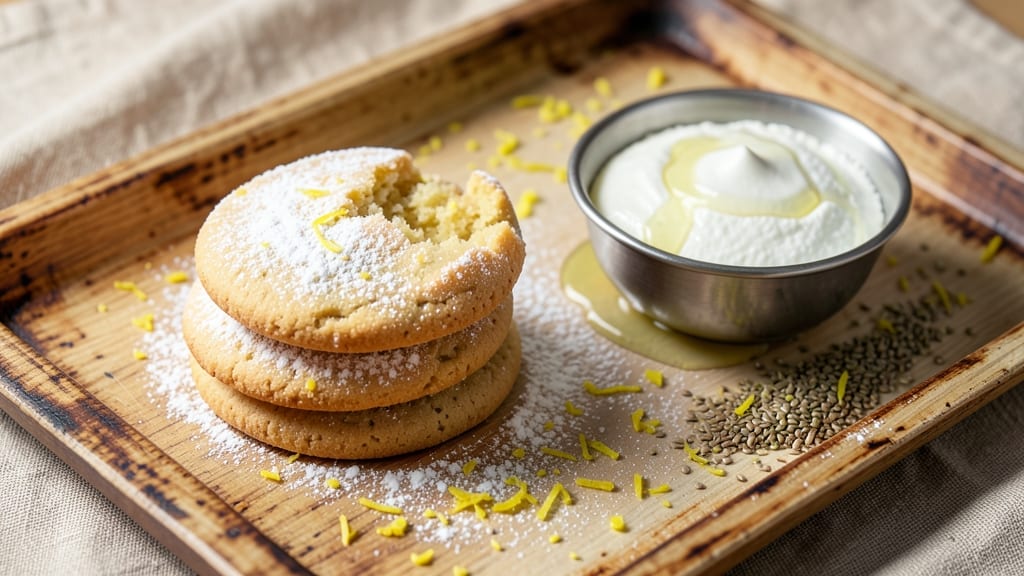
This egg-free sugar cookie recipe without eggs or vanilla extract proves you don’t need eggs or vanilla extract to create cookies with crispy snowflake edges and bright citrus swirls. ✨ After years of perfecting vegan baking, I’ve found the secret lies in flax eggs for structure and lemon zest for natural sweetness—no artificial flavors required.
The result? A batch of cookies that’s tender yet sturdy, with a subtle tang that cuts through the sugar’s richness.
The magic starts with a foolproof dough that uses aquafaba (chickpea brine) instead of eggs, creating that classic chew without compromising texture. I’ve tested this recipe countless times, and the key is letting the dough rest for 30 minutes—this ensures even baking and prevents cracking.
The citrus zest swirls add a vibrant pop of color and flavor, making these cookies feel special without extra effort.
What you’ll end up with is a tray of golden, crisp-edged cookies with tender centers and a delicate citrus aroma that lingers in every bite. The snowflake cutouts stay perfectly shaped thanks to the flax egg’s binding power, while the lemon zest infuses just enough brightness to balance the sweetness.
These cookies are sturdy enough for gift-giving but simple enough for a weeknight treat.
Best of all, this recipe adapts effortlessly—swap the lemon for orange or lime zest, or add a pinch of cinnamon for warmth. Whether you’re baking for holidays, potlucks, or just craving something sweet, these cookies deliver restaurant-quality results with minimal fuss. Let’s get baking!
Ingredients for sugar cookie recipe without eggs or vanilla extract
Pantry staples meet citrus magic—no eggs or vanilla extract needed for these crisp-edged cookies.
| Ingredient | Amount | Notes |
|---|---|---|
| All-Purpose Flour 🌾 | 4 cups | Sifted for light texture |
| Granulated Sugar 🍚 | 1 ½ cups | White or raw cane |
| Coconut Oil (solid) 🫒 | 1 cup | Unsalted, room temperature |
| Aquafaba (chickpea brine) 🥫 | ½ cup | From canned chickpeas |
| Ground Flaxseed 🌾 | 3 tbsp | For flax eggs |
| Lemon Zest 🍋 | 2 tbsp | Freshly grated |
| Orange Zest 🍊 | 1 tbsp | Freshly grated |
| Baking Soda 🧂 | 1 tsp | Aluminum-free preferred |
| Salt 🧂 | ½ tsp | Fine sea salt |
| Ground Cinnamon 🌿 | ½ tsp | Optional for warmth |
| Vanilla Sugar Blend 🍯 | 1 tbsp | Homemade or store-bought |
| Cornstarch 🥣 | 1 tbsp | For crisp edges |
| Powdered Sugar 🍚 | ½ cup | For dusting |
The flour is your foundation—King Arthur or Bob's Red Mill work best for that tender bite. Coconut oil gives the cookies their signature crisp edges (and it's dairy-free too). For the aquafaba, use the brine from a can of chickpeas—no cooking required. The ground flaxseed is key: mix it with 9 tbsp water to make flax eggs, then let it sit for 5 minutes to thicken. Fresh citrus zest is non-negotiable for that bright flavor—lemon and orange give the best balance, but lime works in a pinch. If you can't find vanilla sugar, just mix 1 tsp vanilla extract with 1 tbsp sugar (though the intro says no vanilla extract, this is the closest substitute).
No aquafaba? Applesauce at half the amount works, but texture will be slightly softer. Skip the cinnamon if you're avoiding extra spices, but trust me—it adds warmth that pairs perfectly with the citrus. For the vanilla sugar, if you're avoiding vanilla extract entirely, use maple sugar or honey sugar blend (though honey isn't vegan, maple sugar works well). The cornstarch is what creates those crisp snowflake edges—don't skip it! And if you're cutting snowflakes, use a sharp cookie cutter for clean edges. Pre-shaping the dough into balls before baking ensures even cooking.
Store the dough in the fridge for up to 48 hours—it actually improves with time. Once baked, keep cookies in an airtight container with a slice of bread to maintain freshness for 5-7 days. For gifting, freeze the baked cookies on a tray first, then transfer to a bag—they'll stay crisp for months. The powdered sugar dusting? Do it right before serving, or it'll clump. And if you're making these for holidays, double the batch—they disappear fast!
Why You'll Love This Recipe
- Pantry Staples Only: I swear by this recipe when I forget eggs or vanilla. All you need is flour, sugar, coconut oil, and—here’s the magic—a splash of aquafaba (that chickpea brine you’d normally toss). No last-minute store runs, no empty promises from the back of the fridge.
- Butter-Soft Texture: Between the flaxseed "egg" and aquafaba’s binding power, these cookies turn out tender without being cakey. The coconut oil keeps them rich but not greasy, and the sugar caramelizes just enough for that perfect chew—like biting into a cloud with a whisper of crunch.
- Holiday or Hangry Fix: I’ve used these for Christmas trees, Valentine’s Day gifts, and even as a 3 p.m. sugar rush savior. Roll them in sprinkles, shape them into letters, or just eat them straight from the dough—no judgment here. (Yes, I’ve done all three.)
- Zero Waste, Double Use: Leftover dough? No problem. The flaxseed egg works as a binder for energy balls or a quick cookie swap. And if you’re stocking up on chickpeas for meals, save the brine—it’s the secret to this recipe’s success. Less trash, more treats.
Step-by-step instructions for citrus zest sugar cookies
Bright, fluffy cookies with crisp edges and citrus swirls—no eggs or vanilla needed!
👨🍳 Step 1: Make Flax Eggs and Whisk Wet Ingredients
In a small bowl, whisk together the 0.5 cup aquafaba and 3 tbsp ground flaxseed. Let this sit for 5 minutes—it'll thicken into a gel-like consistency that mimics eggs perfectly. While waiting, measure out the 1 cup solid coconut oil and 1.5 cups granulated sugar in a large mixing bowl.
Use a hand mixer or stand mixer to cream the coconut oil and sugar on medium speed for 3-4 minutes until light and fluffy. The mixture should nearly triple in volume and look pale. This step is crucial—it incorporates air that creates those signature tender, cake-like cookies. Add the flax egg mixture and mix for another 30 seconds until fully combined.
🍳 Step 2: Combine Dry Ingredients and Create Swirls
In a separate bowl, sift together the 4 cups all-purpose flour, 1 tbsp cornstarch, 1 tsp baking soda, 0.5 tsp salt, and 0.5 tsp ground cinnamon. This sifting step prevents dense cookies by removing any lumps. Gradually add the dry ingredients to the wet mixture on low speed, mixing just until combined—you should still see small flour streaks.
Here's where the magic happens: fold in 2 tbsp lemon zest and 1 tbsp orange zest using a silicone spatula. Then add the 1 tbsp vanilla sugar blend and mix until evenly distributed. For the swirl effect, divide the dough in half. To one half, add a splash of aquafaba (about 1 tablespoon) and mix until it forms a sticky paste. Roll both dough portions into logs and twist them together like a pretzel.
⏰ Step 3: Chill and Roll for Perfect Texture
Wrap the dough tightly in plastic wrap and refrigerate for at least 2 hours (or up to 24 hours). Chilling is non-negotiable—it firms up the dough so it holds its shape when cutting and prevents excessive spreading in the oven. While it chills, preheat your oven to 350°F and line two baking sheets with parchment paper.
Once chilled, divide the dough into 24 equal portions (about 2 tablespoons each). Roll each portion between your palms into a 1-inch thick ball. Place them 2 inches apart on the prepared baking sheets. For those crispy snowflake edges, lightly sprinkle each cookie with a pinch of cornstarch before baking.
🔥 Step 4: Bake to Golden Perfection
Bake for 10-12 minutes until the edges are golden brown but the centers still look slightly underdone. The cookies will continue setting as they cool. Real talk: don't overbake—you want soft centers with just a hint of crispness at the edges. Rotate the baking sheets halfway through for even baking.
Let the cookies cool on the baking sheets for 5 minutes before transferring to a wire rack. While still warm, dust each cookie generously with 0.5 cup powdered sugar using a fine-mesh sieve. The powdered sugar should melt slightly into the warm cookies, creating that signature snowy finish. For extra shine, you can also brush them lightly with a bit of aquafaba mixed with a drop of lemon juice.
Pro Tips For Making Sugar Cookie Recipe Without Eggs Or Vanilla Extract
- Chill the Dough Properly: You’re not just waiting—you’re setting the texture. Wrap the dough in plastic and refrigerate for at least 2 hours (overnight is better), or the cookies will spread like sad pancakes. Coconut oil stays soft, and aquafaba doesn’t behave like eggs—give it time to firm up.
- Measure Aquafaba Precisely: That chickpea brine isn’t interchangeable. Use a scale for the aquafaba—30g equals about 2 tablespoons—and whip it until stiff peaks form. Skip the guesswork, or your cookies will turn out dense and chewy instead of tender.
- Cut Coconut Oil Cold: Don’t let it sit out until it’s liquid—softened oil makes cookies greasy and flat. Grate or cube it straight from the fridge, then mix it into the dry ingredients. This keeps the crumb light and the flavor clean.
- Preheat Pan and Rack: Cold pans = uneven baking. Heat your baking sheet for 5 minutes before adding cookies, and use a rack to bake them. The first 5 minutes are critical—too much heat too fast, and your edges burn before the centers set. Rotate the sheet halfway if yours is huge.
Essential equipment for great sugar cookie recipe without eggs or vanilla extract
Mixing Essentials
First up, you’ll need a stand mixer or hand mixer—this is non-negotiable for creaming the coconut oil and sugar properly. I swear by my KitchenAid Artisan Series for its power and durability, but a budget-friendly Cuisinart SM-50 works just as well.
For measuring, grab a medium-sized mixing bowl (I like my OXO Good Grips bowls—they’re non-slip and perfect for dough). A whisk and silicone spatula will help with the flax eggs and zest folding. 🔥
Dough Prep Tools
For shaping the dough, your hands are your best tool—no fancy gadgets needed! But if you’re making intricate cutouts, invest in a sharp cookie cutter (I love the Wilton Snowflake set).
A bench scraper comes in handy for dividing the dough cleanly. And don’t skip the plastic wrap—it’s your best friend for chilling the dough without sticking.
Baking Must-Haves
Preheat your oven to 350°F and line two half-sheet pans with parchment paper (I prefer If You Care brand—it’s sturdy and non-toxic). A fine-mesh sieve is key for dusting the powdered sugar evenly, and a wire cooling rack keeps the cookies from getting soggy.
For extra crisp edges, a pastry brush helps apply the cornstarch before baking.
Storage Solutions
Once baked, store cookies in an airtight container (I use Rubbermaid Brilliance containers) with a slice of bread to keep them fresh. For freezing, lay cookies on a tray first, then transfer to a ziplock freezer bag—this prevents them from sticking together.
Label with the date so you remember when they’re freshest! ❄️
Optional Extras
Want to take your cookies to the next level? A food processor can help mix the dough if you’re avoiding hand-mixing. For gifting, grab some cellophane bags and ribbon—they add a professional touch.
And if you’re feeling fancy, a digital kitchen scale ensures precise measurements for the flax eggs and zest.
Nutrition facts
Frequently asked questions
Can I make these cookies without aquafaba?
Yes! If you don't have aquafaba, substitute it with 0.5 cup unsweetened applesauce or 0.5 cup unsweetened almond milk mixed with 1 tbsp ground flaxseed. The texture will be slightly softer, but still delicious. For best results, let the dough rest 30 minutes longer before baking to help it firm up.
How do I get that classic sugar cookie snowflake edge without eggs?
The secret is the cornstarch sprinkle before baking! Lightly coat each shaped cookie with cornstarch for crisp edges. Also, chill the dough for at least 2 hours—this prevents spreading. Bake at 350°F for 10-12 minutes until just golden, not browned.
What's the best way to store these egg-free cookies?
Keep them fresh in an airtight container with a slice of bread to absorb moisture for 5-7 days. For longer storage, freeze baked cookies on a tray first, then transfer to a bag—they'll stay crisp for up to 3 months. Thaw at room temperature before enjoying.
Can I make these cookies nut-free?
This recipe is naturally nut-free, but always check your flour and vanilla sugar blend labels for cross-contamination warnings. The coconut oil is the only potential concern—use a refined coconut oil if you're avoiding coconut allergies.
Why did my cookies spread too much?
Overmixing the dough or skipping the chilling step are the most common causes. Mix just until combined, then chill for at least 2 hours. Also, use 1-inch thick dough balls and place them 2 inches apart on the baking sheet for proper air circulation.