
Desserts
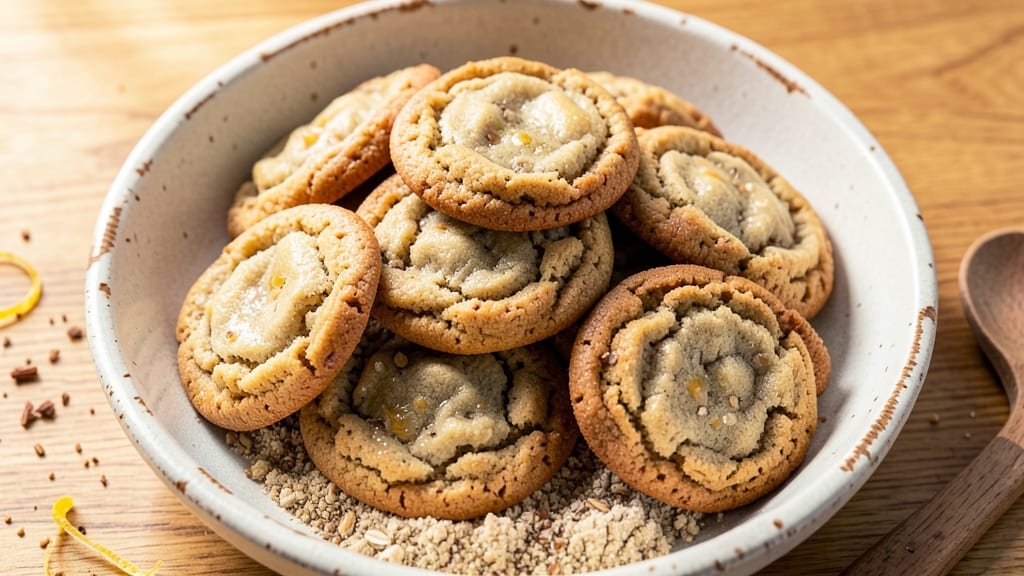
This sugar-free Toll House cookie recipe delivers all the classic chocolatey goodness without the refined sugar crash—crispy edges, chewy centers, and molten chocolate chunks that stay gooey no matter how you slice it.
The secret lies in a carefully balanced blend of erythritol and monk fruit sweetener that mimics brown sugar's caramel notes while keeping calories in check. I've been perfecting this version for years, and it's the one my family reaches for when cravings hit but diet goals matter too.
The texture is where this recipe truly shines: golden-brown edges that crackle when you bite in, a tender yet slightly crisp interior, and those pockets of semi-sweet chocolate that melt into warm, fudgy rivers.
Unlike many sugar-free cookies that taste artificial, these hold onto the warm vanilla-spice depth of the original while cutting out the sugar entirely. The key is using a mix of almond flour and oat fiber for structure without sacrificing that classic cookie mouthfeel.
What makes these cookies work is the two-stage baking process: a short initial bake to set the edges, then a longer rest to let the centers soften just right.
This ensures you get that perfectly balanced texture—not dry, not cakey, but exactly what you'd expect from a Toll House cookie, just without the sugar. The aroma alone as they bake will have your kitchen smelling like a bakery, and the first bite proves sugar-free can taste indulgent.
Perfect for holiday gifting, potlucks, or satisfying that late-night sweet tooth without the guilt. The recipe scales easily, and these cookies stay fresh for days in an airtight container. Let's get baking—your taste buds (and your waistline) will thank you.
Ingredients for sugar free toll house cookie
Here’s the secret to sugar-free cookies that taste like the real deal—crisp edges, gooey centers, and all the chocolatey magic.
| Ingredient | Amount | Notes |
|---|---|---|
| Almond Flour 🌰 | 2 cups | Finely ground, unsweetened |
| Oat Fiber 🌾 | ½ cup | For structure and chewiness |
| Erythritol 🍬 | ¾ cup | Granulated, sugar-free |
| Monk Fruit Sweetener 🍬 | ¼ cup | Powdered, enhances caramel notes |
| Unsalted Butter 🧈 | 1 cup | Cold, cubed for texture |
| Large Eggs 🥚 | 2 whole | Room temperature, beaten |
| Pure Vanilla Extract 🌿 | 2 tsp | High-quality, no alcohol |
| Sea Salt 🧂 | 1 tsp | Fine grain, enhances flavor |
| Semi-Sweet Chocolate Chunks 🍫 | 1 ½ cups | Sugar-free, 60% cacao |
| Baking Soda 🧪 | ½ tsp | For lift and crispiness |
| Ground Cinnamon 🌶️ | 1 tsp | Warm, aromatic flavor |
| Ground Nutmeg 🌶️ | ¼ tsp | Freshly grated preferred |
The almond flour is non-negotiable here—it gives that classic cookie texture without the heaviness. Bob’s Red Mill or Anthony’s Goods are my go-tos for quality, but any finely ground almond flour works. The oat fiber might sound odd, but it’s what keeps these cookies chewy without adding bulk. For the sweeteners, Lakanto or Swerve blends work great, but I’ve found that mixing erythritol and monk fruit gives the best caramel depth. If you can’t find sugar-free chocolate chunks, Lily’s or Hu Kitchen are reliable—just check the label for zero added sugar.
No vanilla extract? Vanilla bean paste at half the amount works in a pinch, but nothing beats pure extract. The butter needs to be cold when you mix it in—take it out of the fridge 30 minutes before baking. For the chocolate chunks, if you’re using regular chocolate, reduce the amount to 1 cup and add 1 tbsp of erythritol to compensate. The cinnamon and nutmeg are where the warm spice magic happens—Penzeys has the best pre-ground spices if you want to splurge, but the grocery store stuff is fine. Pro tip: Toast the nutmeg for 30 seconds in a dry pan before grinding for an extra depth of flavor.
These cookies need time to set properly—bake them, let them cool on the pan for 10 minutes, then transfer to a wire rack. They’ll firm up as they cool, but the centers stay soft. Store in an airtight container with parchment paper between layers to keep them crisp. They’ll stay fresh for 5-6 days at room temperature, but trust me, they won’t last that long. Freeze half the batch for when cravings strike later—just thaw at room temperature for 20 minutes before enjoying.
Why You'll Love This Recipe
- No Mixer Needed: I swear by the "creamy butter method" here—just fold everything together with a spoon. No electric mixer, no extra bowls, and zero fuss. The almond flour and oat fiber blend so smoothly that you’ll forget you’re making a sugar-free treat.
- Chocolate-Lover’s Dream: That rich, molten chocolate center? Still there, even without sugar. The monk fruit and erythritol blend gives it just the right sweetness—no bitter aftertaste, no crash. Honestly, my husband doesn’t even ask for the regular Toll House anymore.
- Weeknight & Holiday: These bake in 12 minutes flat and stay crispy for days. Stash a batch in the freezer for when you’re craving something sweet but don’t want to bake. (Yes, even on a Tuesday night.)
- Budget-Friendly Indulgence: Almond flour might seem pricey, but a little goes a long way—and these cookies stretch farther than store-bought. Plus, the butter and oat fiber keep costs low while still delivering that classic Toll House texture. My secret weapon for satisfying cravings without guilt.
Step-by-step instructions for sugar-free Toll House cookies
Here's how to create rich, chewy cookies that taste indulgent but won't spike your blood sugar.
Mix Dry Ingredients for Perfect Texture
In a medium bowl, whisk together the 2 cups almond flour, 0.5 cup oat fiber, 0.75 cup erythritol, 0.25 cup monk fruit sweetener, 1 tsp sea salt, 0.5 tsp baking soda, 1 tsp ground cinnamon, and 0.25 tsp ground nutmeg. Sift the mixture through a fine-mesh sieve to break up any lumps and aerate the dry ingredients—this ensures even distribution and prevents dense cookies.
I like to press the mixture through the sieve with a spatula to make sure every particle is fine. The oat fiber will give your cookies that classic chewy texture, while the almond flour adds richness. The combination of erythritol and monk fruit sweetener provides the perfect balance of sweetness without the sugar crash.
Cream Cold Butter and Sweeteners
In a stand mixer fitted with the paddle attachment, beat the 1 cup cold unsalted butter on medium speed until creamy but not melted—about 2-3 minutes. Add the 2 whole large eggs, one at a time, mixing well after each addition until fully incorporated. Scrape down the sides of the bowl as needed to ensure everything combines evenly.
The butter should be soft enough to cream but still hold its shape when pressed. This creates pockets of air that help the cookies rise and develop that signature chewy texture. If the butter starts to look too soft or melts completely, chill the mixture for 10 minutes before proceeding.
Combine Wet and Dry Ingredients
With the mixer on low speed, gradually add the dry ingredients to the butter mixture. Mix just until combined—about 30 seconds—you should still see small flecks of almond flour. Stop mixing as soon as everything comes together to avoid developing gluten, which can make the cookies tough.
Next, fold in the 1.5 cups semi-sweet chocolate chunks by hand using a silicone spatula. Make sure they're evenly distributed throughout the dough. The chocolate chunks will melt into gooey pockets, giving you that classic Toll House experience without the sugar overload.
Add Vanilla and Chill the Dough
Stir in the 2 teaspoons pure vanilla extract until fully combined. The dough will be thick and slightly sticky, but don't be tempted to add extra liquid—this is normal. Cover the bowl with plastic wrap and refrigerate for at least 1 hour (or up to 24 hours).
Chilling the dough is crucial—it allows the flavors to meld and prevents the cookies from spreading too much in the oven. The cold dough also helps create those beautiful crackly tops and chewy centers. If you're short on time, you can freeze the dough for 30 minutes as a quick alternative.
Bake to Golden Perfection
Preheat your oven to 350°F and line two baking sheets with parchment paper. Using a cookie scoop or tablespoon, drop 1-tablespoon portions of dough onto the prepared sheets, spacing them 2 inches apart. Flatten each portion slightly with your fingers to create even cookies.
Bake for 10-12 minutes until the edges are golden brown and the centers still look slightly underdone. The cookies will continue to set as they cool, so don't overbake. Let them cool on the baking sheets for 5 minutes before transferring to a wire rack to cool completely.
Enjoy your cookies warm for the ultimate experience—each bite will deliver rich chocolate flavor, a perfect balance of sweetness, and that satisfying chewiness. Store any leftovers in an airtight container at room temperature for up to 5 days or freeze for longer storage.
Pro Tips For Making Sugar Free Toll House Cookie
- Chill the Dough: These cookies spread less than classic Toll Houses, but they still need a break. Let the dough rest in the fridge for at least 30 minutes—this keeps the almond flour from overworking and guarantees thicker cookies. (Yes, even if you’re impatient like me.)
- Pulse the Almond Flour: Don’t just dump almond flour into the mixer—pulse it in short bursts with the oat fiber first. This prevents grittiness from over-processing and ensures a smoother texture. I learned this the hard way when my first batch tasted like sandpaper.
- Avoid Overmixing Butter: Cream the butter and sweeteners until just combined—no longer. Overmixing incorporates too much air, and sugar-free dough can’t hold up to it, leading to flat cookies. Stop when the mixture looks like wet sand, not whipped frosting.
- Use Room-Temp Butter: Cold butter makes tough cookies; soft butter makes them greasy. Let the butter sit out for 30-45 minutes until it’s pliable but not melted—press your finger into it, and it should leave a slight indent. This balances texture without sacrificing structure.
Storing and reheating this dish
Room-Temp Storage
These cookies stay fresh for 5-6 days at room temperature when stored in an airtight container with parchment paper between layers. The almond flour and oat fiber help maintain crispness longer than traditional cookies.
I use Rubbermaid Brilliance containers because they seal tightly and keep moisture out. Just let the cookies cool completely before storing to prevent condensation. 🌰
Fridge Preservation
For longer storage without refrigeration, place cookies in a sealed container in the fridge. They'll keep for up to 10 days while maintaining their texture. The cold temperature actually helps preserve the chocolate chunks' gooeyness.
I recommend transferring cookies to the fridge if your kitchen gets above 75°F—the warmer environment can cause the butter to soften too quickly. Always bring to room temperature before eating for the best flavor experience. ❄️
Freezer Magic
Freezing is my go-to method for making these ahead of time. Portion cookies into a single layer on a tray, freeze solid (about 1 hour), then transfer to a freezer bag with parchment between layers.
They'll keep for 3 months without losing texture. To serve, thaw at room temperature for 20-30 minutes—no microwave needed! The cold storage actually enhances the chocolate chunks' melt-in-your-mouth quality. 🧊
Reheating Secrets
For cookies that have lost their crisp edges, warm them in a 350°F oven for 3-5 minutes on a wire rack. This restores that perfect crackly exterior while keeping the centers soft. I avoid microwaving because it can make the chocolate chunks seize up.
If you want extra indulgence, sprinkle with a pinch of sea salt and serve warm with a dollop of sugar-free whipped cream. The heat brings back all the warm vanilla and cinnamon notes. 🔥
Reviving Dried Cookies
If your cookies have gotten too soft or dry, try this trick: Place them on a baking sheet and warm in a 250°F oven for 5-7 minutes. For dry cookies, add 1 teaspoon water to each and let sit for 10 minutes before reheating.
The moisture helps restore the chewiness without making them soggy. This works especially well for cookies that have been stored for longer periods. 💧
Portion Control
These cookies are so delicious you'll want seconds, but they're also perfect for portion-controlled snacking. I like to package individual cookies in small sandwich bags with a tiny sprinkle of cinnamon for a flavor boost.
For meal prep, divide into 4-serving containers**—perfect for satisfying sweet cravings without overindulging. The chocolate chunks make them feel extra indulgent while keeping calories in check. 🍫
Nutrition facts
Frequently asked questions
Can I substitute regular sugar for the sugar-free sweeteners?
Not recommended—these cookies rely on the texture and caramel notes from the erythritol-monk fruit blend. Regular sugar would make them too dense and could cause burning. If you must use sugar, reduce to 0.5 cup and add 1 tbsp extra butter to compensate for moisture loss. The flavor won't be identical, though!
Why do my sugar-free cookies taste artificial?
Artificial aftertaste often comes from using only one sweetener or poor-quality brands. The recipe's erythritol-monk fruit combo mimics brown sugar's depth. Always use Lakanto or Swerve blends, and add 1 tsp vanilla bean paste for extra richness. The almond flour also carries flavors better than wheat flour.
How do I prevent the chocolate chunks from sinking?
Fold them in last with a spatula, not the mixer, and keep the dough cold. If chunks sink, chill the dough 24 hours before baking. For extra insurance, use sugar-free chocolate discs instead of chunks—they're designed to stay put. The cold butter helps maintain structure until the oven melts them perfectly.
Can I make these gluten-free?
Yes! Replace the oat fiber with 0.5 cup gluten-free oat flour and ensure your almond flour is certified gluten-free. The recipe already uses gluten-free ingredients. Test batches may need 1 extra minute in the oven since GF flours bake differently. The texture stays chewy but slightly denser.
What's the secret to crispy edges?
Bake at 350°F for 10-12 minutes until edges are golden but centers still look soft. Let them cool 5 minutes on the tray before transferring—the residual heat finishes the crisping. For extra crunch, bake 2 minutes longer but watch closely to avoid burning.