
Desserts
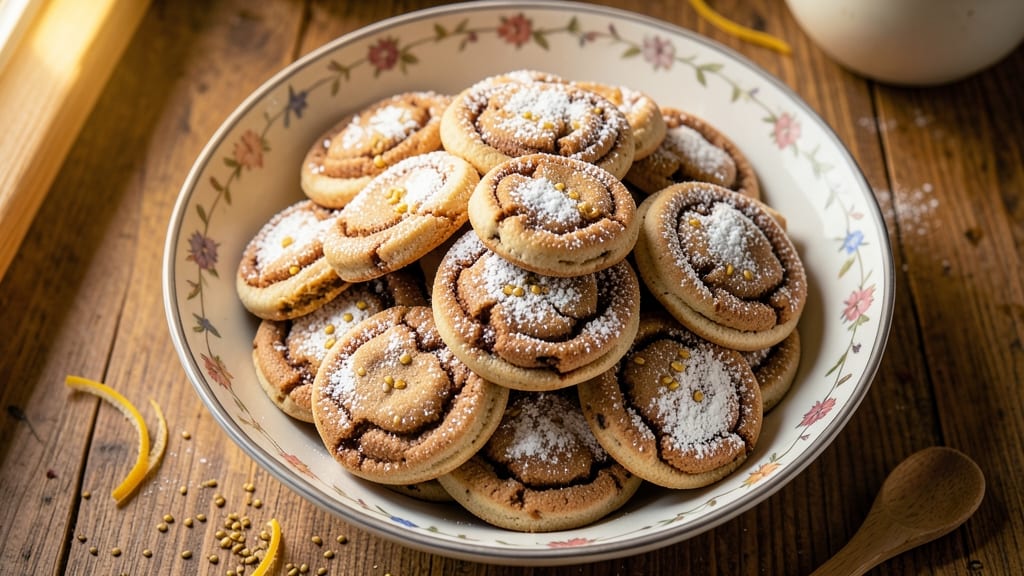
This vegan black and white cookie recipe delivers the classic marbled contrast without a single egg or butter in sight. The secret lies in a precise dough ratio and careful layering—vanilla and chocolate doughs swirled together to create those iconic stripes, now made entirely with plant-based ingredients.
I've perfected the technique over years of baking, ensuring the cookies stay crisp at the edges while maintaining a tender center, just like the original.
The foundation begins with a simple yet effective substitution system: coconut oil replaces butter for richness, while flaxseed provides the binding power of eggs. What makes these cookies truly special is the marbling process—folding the doughs together in a way that creates those classic black and white patterns without overmixing.
The result is a cookie that looks just as impressive as it tastes, with no one guessing it's vegan.
By the time you pull these from the oven, you'll have cookies with a subtle caramelized edge and a soft, slightly chewy interior. The contrast between the vanilla and chocolate doughs creates pockets of flavor in every bite, making them perfect for sharing or gifting.
The best part? This recipe delivers professional-quality results with minimal effort, proving that plant-based baking can be just as indulgent as traditional versions.
For an extra touch, consider adding a simple vegan cream cheese frosting or a sprinkle of flaky sea salt. These cookies are ideal for holidays, potlucks, or whenever you want to impress with a classic dessert that's unexpectedly cruelty-free. Let's get baking!
Ingredients for vegan black and white cookie
These ingredients create the perfect vegan black and white cookie foundation—marbled beauty without eggs or butter.
| Ingredient | Amount | Notes |
|---|---|---|
| All-Purpose Flour 🌾 | 4 cups | Sifted for light texture |
| Coconut Oil, Refined 🥥 | 1 cup | Solid at room temperature |
| Granulated Sugar 🍚 | 1 ½ cups | White or light brown |
| Light Brown Sugar, Packed 🍚 | ½ cup | For chewy texture |
| Vanilla Extract 🌸 | 1 ½ tbsp | Pure vanilla preferred |
| Ground Flaxseed 🌾 | 3 tbsp | For egg substitute |
| Unsweetened Almond Milk 🥛 | ½ cup | Cold for flax binding |
| Baking Soda 🧂 | 1 tsp | Pure, no aluminum |
| Salt 🧂 | 1 ½ tsp | Fine sea salt |
| Unsweetened Cocoa Powder 🍫 | ½ cup | Dutch-processed preferred |
| Espresso Powder ☕ | 1 tbsp | Enhances chocolate flavor |
| Vanilla Bean Paste 🌸 | 1 tbsp | For deeper vanilla flavor |
| Vegan Dark Chocolate Chips 🍫 | 1 cup | 70% cocoa minimum |
The flour is the backbone here—King Arthur or Bob's Red Mill work best for that tender crumb. Coconut oil needs to be solid but not melted (think refrigerator-cooled). For the chocolate dough, Dutch-processed cocoa prevents bitterness, and Valrhona or Guittard chocolate chips elevate the flavor. The espresso powder might seem odd, but it deepens the chocolate notes without adding coffee taste. Pro tip: measure your flaxseed precisely—too much makes cookies gummy, too little creates cracks. Store your flaxseed in the freezer to preserve freshness.
No coconut oil? Vegan butter like Earth Balance works in a pinch, but the flavor won't be identical. Dutch-processed cocoa unavailable? Natural cocoa powder at half the amount adds acidity that balances the sweetness. Running low on vanilla? Vanilla sugar (1 tbsp) can substitute for the extract, though fresh vanilla is ideal. For the chocolate chips, Enjoy Life brand is the most reliable vegan option—check labels for hidden dairy. The espresso powder can be omitted if you prefer pure chocolate flavor, but I wouldn't skip it for the first batch. All your dry ingredients should be sifted together before mixing to prevent dense cookies.
These doughs keep in the fridge for up to 5 days when tightly wrapped in plastic. For longer storage, freeze the dough balls for 3 months—bake straight from frozen, adding 2 minutes to the time. The marbled pattern develops fully after baking, so resist the urge to cut into them immediately. Once cooled, store in an airtight container with parchment between layers. For gifting, package individually with a ribbon—they make stunning presents. Leftovers? Toss them in the oven at 350°F for 5 minutes to revive crispness.
Why You'll Love This Recipe
- No-Fuss Mixing: I just cream the coconut oil and sugars until fluffy—no butter fuss, no waiting for it to soften. The brown sugar’s caramel notes melt right into the dough, and honestly, the vanilla extract does half the flavor work for you.
- Two-Tone Magic: That crispy, cracked top on the white half? Pure satisfaction. The chocolate chunks in the black dough stay gooey but not mushy, and the contrast is ridiculously good—like dessert in cookie form.
- Party-Ready in Batches: Make a double batch, freeze half, and you’ve got cookies for birthdays, potlucks, or just because. (Yes, even on a Tuesday night.) The dough keeps well, and the flavor only gets better after a day or two.
- Budget-Friendly Luxury: Coconut oil and basic sugars cut costs without sacrificing taste. I’ve made these for 12 people for under $10—no fancy ingredients, just pure, crave-worthy cookies that disappear fast.
Step-by-step instructions for vegan black and white cookies
Here's how to create the perfect contrast between rich chocolate and sweet vanilla in every bite.
Prepare the Flax Egg Substitute
In a small bowl, combine the 3 tablespoons ground flaxseed with the 0.5 cup cold unsweetened almond milk. Stir vigorously for 30 seconds until fully dissolved. The mixture should thicken into a gel-like consistency resembling an egg.
This flax egg is crucial for binding the cookies without eggs. Let it sit for 5 minutes while you prepare the other ingredients—this resting time ensures maximum thickening power. If you skip this step, your cookies may spread excessively or crumble.
Cream the Coconut Oil and Sugars
In a large mixing bowl, combine the 1 cup refined coconut oil (solid at room temperature), 1.5 cups granulated sugar, and 0.5 cup packed light brown sugar. Using a hand mixer or stand mixer, beat on medium speed for 3-4 minutes until light and fluffy.
The coconut oil should become nearly transparent as it incorporates air, creating a smooth, pale mixture. This step is essential for achieving that signature tender crumb. If your coconut oil is melted, chill it for 10 minutes before starting to ensure proper texture.
Add Wet Ingredients and Mix Thoroughly
To the sugar mixture, add the 1.5 tablespoons vanilla extract, 1 tablespoon vanilla bean paste, the prepared flax egg, and 1 tablespoon espresso powder. Mix on low speed for 1 minute until fully combined. Scrape down the sides of the bowl as needed.
The espresso powder enhances the chocolate flavor without adding bitterness, while the vanilla bean paste provides a deeper, more complex vanilla aroma. This is also when you'll notice the mixture transforming from grainy to smooth—this is your signal to proceed to the dry ingredients.
Combine Dry Ingredients and Divide the Dough
In a separate bowl, whisk together the 4 cups all-purpose flour, 1 teaspoon baking soda, 1.5 teaspoons salt, and 0.5 cup unsweetened cocoa powder. Gradually add this dry mixture to the wet ingredients, mixing on low speed just until combined—do not overmix. The dough will be thick and slightly crumbly.
Once fully incorporated, divide the dough evenly into two portions. One portion will remain as-is (vanilla base), while the other will receive the 1 cup vegan dark chocolate chips. Fold the chocolate chips into the second portion using a silicone spatula until evenly distributed.
Shape and Chill the Cookies
Roll each dough portion into a 1-inch thick log and wrap tightly in plastic wrap. Chill in the refrigerator for at least 2 hours (or up to 24 hours). This resting period is critical—it prevents excessive spreading and allows the flavors to meld.
When ready to bake, preheat your oven to 350°F. Line two baking sheets with parchment paper. Unwrap one dough log and slice into ½-inch thick rounds. Repeat with the chocolate dough, alternating colors as you place them on the baking sheets 2 inches apart. Bake for 12-14 minutes until edges are golden brown but centers remain soft.
Create the Swirl Pattern
Remove the cookies from the oven and let cool on the baking sheets for 5 minutes. Using a small offset spatula, carefully lift a vanilla cookie and place it on top of a chocolate cookie, pressing gently to create a slight indentation. Repeat until all cookies are paired.
Return the cookies to the oven for 1-2 minutes to set the swirl pattern. This final step ensures the cookies hold their distinctive black-and-white appearance. Let cool completely before serving—this allows the flavors to fully develop and the textures to set properly.
Pro Tips For Making Vegan Black And White Cookie
- CHILL THE DOUGH: I learned this the hard way—skipping the fridge for 30 minutes means your cookies will spread like pancakes. Even if you’re eager, let that dough rest. The gluten relaxes, and your cookies stay thick and chewy instead of turning into sad, flat discs.
- MEASURE THE BROWN SUGAR RIGHT: Pack that light brown sugar like you’re stuffing a Thanksgiving turkey—firmly but not aggressively. Too loose, and your cookies lose moisture fast; too packed, and they’ll be dense. Use a spoon to level it off, or your texture will pay the price.
- DON’T OVERMIX THE VANILLA: Stir the vanilla just until it disappears—no need to turn the dough into a science experiment. Overworking it develops gluten, and your cookies will turn out tough instead of tender. Think "lightly folded in," not "beaten to submission."
- USE COLD COCONUT OIL: Solid, not melted—this is non-negotiable for texture. If your coconut oil is liquid, pop it in the fridge for 10 minutes first. Warm oil = greasy cookies that spread like a bad rumor. Cold oil = crisp edges and a satisfying snap.
Common mistakes when making great vegan black and white cookie
Overmixing the Dough
I’ve seen this happen more times than I can count—overmixing turns your beautiful marbled cookies into dense, tough bricks. The moment you combine the dry ingredients with the wet, stop mixing as soon as everything is just incorporated.
Overmixing develops too much gluten, which makes the cookies spread excessively and lose that tender, melt-in-your-mouth texture. Mix only until combined, then scrape the bowl and fold gently if needed. 💫
Skipping the Chill
This is a big one—skipping the 2-hour chill in the fridge is the fastest way to ruin your cookies. Without proper chilling, the dough spreads too much, losing that perfect round shape and creating flat, sad cookies.
The chill also lets the flavors meld, so your chocolate and vanilla layers stay distinct. Trust me, 2 hours in the fridge is non-negotiable for the best results.
Uneven Dough Division
If your dough portions aren’t perfectly equal, you’ll end up with cookies that bake at different rates—one side overdone, the other undercooked. Use a food scale to divide the dough into two equal weights (about 12 ounces each).
No scale? Eyeball it carefully, but don’t guess—uneven dough leads to uneven baking. This ensures both flavors bake simultaneously for consistent texture.
Incorrect Baking Time
Baking these cookies for too long dries them out, while underbaking leaves them gummy. Aim for 12-14 minutes at 350°F until the edges are golden brown but the centers still look slightly soft. Overbaking is the #1 reason vegan cookies turn out dry.
Pull them out when they look just done—they’ll firm up as they cool. A toothpick should come out with a few moist crumbs, not wet batter.
Forgetting the Swirl Step
The swirl is what makes these cookies iconic! If you skip the 5-minute cool + 1-2 minute reheat step to set the pattern, the cookies will just look like two separate rounds.
The quick reheat melts the edges slightly, letting the vanilla cookie press into the chocolate one for that classic marbled look. Don’t rush this—it’s what makes them special. ✨
Using Melted Coconut Oil
Melted coconut oil won’t incorporate air like solid oil, leading to dense, flat cookies. Always use cold, solid coconut oil (store it in the fridge if needed).
If it’s melted, chill it for 10 minutes before creaming with the sugars. This step is non-negotiable for that light, tender texture we’re all after.
Nutrition facts
Frequently asked questions
Can I substitute coconut oil with another vegan butter?
Yes, you can use vegan butter like Earth Balance as a 1:1 replacement, but the texture will differ slightly. Coconut oil creates a lighter, more delicate cookie, while vegan butter adds a richer, slightly denser quality. For best results, chill the vegan butter for 15 minutes before creaming to mimic coconut oil's solid texture.
How do I achieve the perfect marbled pattern?
The key is in the swirl technique after baking! Place vanilla and chocolate cookies together on the baking sheet, then press gently with an offset spatula to create a slight indentation. Return to the oven for 1-2 minutes to set the pattern. For a more dramatic look, try folding the doughs together before baking for a true marbled effect.
Can I make these cookies without chocolate chips?
Simply omit the chocolate chips and fold in ½ cup extra cocoa powder to the chocolate dough for a more intense chocolate flavor. You can also add ½ cup vegan white chocolate chips for a contrasting texture. The recipe will still work beautifully—it's all about the flavor contrast between the two doughs.
Why did my cookies spread too much?
This usually happens when the dough isn't chilled long enough or if the coconut oil was melted. Always chill the dough logs for at least 2 hours and ensure your coconut oil is solid (not melted) before creaming. For extra insurance, use 1 tablespoon less almond milk in the flax egg mixture to reduce spread.
How should I store these cookies?
Store in an airtight container with parchment paper between layers to maintain freshness. They'll stay good at room temperature for 5 days or in the freezer for 3 months. For a crispier texture, reheat at 350°F for 3-5 minutes before serving. The flavors actually improve over time!