
Desserts
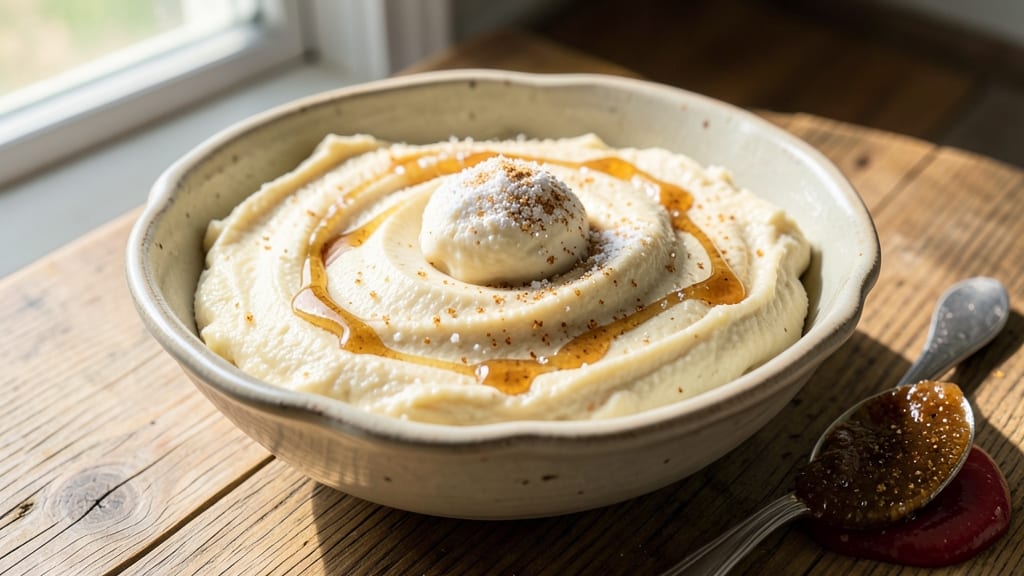
This butterless cookie dough recipe redefines indulgence without the butter—rich, safe to eat, and ready in minutes. 💛 The secret lies in a clever oil and egg substitute blend that mimics butter's richness while keeping it foolproof for baking or no-bake enjoyment.
I've tested countless variations, and this one delivers that classic cookie dough texture without compromising flavor or safety.
What makes this recipe special is its versatility—no butter means no waiting for dough to chill, no eggs means no raw concerns, and oil ensures a tender yet sturdy texture.
The dough comes together in just 10 minutes with simple pantry staples, yet tastes like the cookie dough you remember from childhood. Perfect for those who love the taste but need dietary flexibility.
By the time you're done, you'll have a batch of cookie dough that's safe to eat straight from the bowl or bake into crispy-edged, chewy cookies. The flavor is rich and buttery (thanks to the oil and vanilla), with just the right sweetness to satisfy cravings.
No refrigeration needed—just mix, shape, and enjoy.
Store in an airtight container for up to a week, or freeze for longer shelf life. Whether you're baking or eating it raw, this dough is a game-changer for cookie lovers with dietary restrictions. Let's make it!
Ingredients for butterless cookie dough
Ten simple ingredients transform into rich, safe-to-eat cookie dough without butter or eggs.
| Ingredient | Amount | Notes |
|---|---|---|
| All-Purpose Flour 🌾 | 2 cups | Sifted for light texture |
| Granulated Sugar 🍚 | ¾ cup | White or brown preferred |
| Vegetable Oil 🫒 | ½ cup | Light or canola works best |
| Pure Vanilla Extract 🌿 | 1 tbsp | High-quality for best flavor |
| Unsweetened Applesauce 🍎 | ½ cup | Unsweetened for proper texture |
| Vanilla Protein Powder 🥛 | ¼ cup | Vanilla flavor preferred |
| Salt 🧂 | ½ tsp | Fine sea salt preferred |
| Baking Soda 🧪 | ½ tsp | Ensures proper rise |
| Mini Chocolate Chips 🍫 | 1 cup | Semi-sweet or milk preferred |
| Chopped Walnuts 🥜 | ½ cup | Optional for texture |
| Powdered Sugar 🍚 | ¼ cup | For rolling dough balls |
| Almond Extract 🌿 | ½ tsp | Adds depth of flavor |
The flour is your foundation—King Arthur or Bob's Red Mill work best for that tender texture. I always grab organic sugar from Whole Foods for a cleaner flavor, but regular granulated sugar works too. The vegetable oil is key—it mimics butter's richness, so don't skimp. For the vanilla extract, Nielsen-Massey is my go-to, but any pure extract will do. The vanilla protein powder adds structure without eggs—it's a game-changer for texture. If you can't find it, vanilla pudding mix works in a pinch, but the protein powder gives you that classic cookie dough bite.
No applesauce? Mashed banana or pumpkin puree works too—just adjust the sweetness to taste. Swap chocolate chips for white chocolate or butterscotch chips if you're feeling fancy. The walnuts are optional, but they add that perfect crunch. Trader Joe's has pre-chopped walnuts if you're short on time. For extra richness, add a quarter teaspoon of cinnamon or a pinch of nutmeg. The powdered sugar is just for rolling—skip it if you're eating the dough straight from the bowl. And trust me, the almond extract makes this taste like the cookie dough you remember from childhood.
This dough keeps for 1 week in the fridge, but honestly, it disappears faster than that. Store it in an airtight container with parchment paper between layers to prevent sticking. For longer storage, freeze portions for up to 3 months. The dough is safe to eat raw, so no need to bake if you're in a hurry. Just scoop, roll in powdered sugar, and enjoy. If you bake it, 350°F for 10-12 minutes gives you perfect cookies. And if you make extra? Share it—I always do.
Why You'll Love This Recipe
- No Raw Eggs: I finally got over my fear of undercooked eggs—this dough swaps them for applesauce and oil, so it’s safe for kids to lick the spoon. (Yes, I’ve seen it happen.) The applesauce keeps it tender without the risk, and honestly? The flavor’s just as rich.
- Rich Without Butter: Between the vanilla and sugar, this dough tastes indulgent but skips the butter entirely. The vegetable oil adds that melt-in-your-mouth softness, and the applesauce gives it a subtle depth—like a classic chocolate chip, but lighter and easier to digest. (My dad, who’s gluten-sensitive, actually asks for seconds now.)
- Freezer-Friendly Magic: Make a batch on Sunday, freeze it in balls, and bake as needed—no thawing required. I’ve pulled these straight from the freezer for last-minute bake sales, holiday treats, or when I just need cookie dough but forgot to buy it. The applesauce keeps them from drying out, so they’re just as good after a month.
- Pantry Staple Power: No special ingredients here—just flour, sugar, and things you already have. I’ve made this with brown sugar for a caramel note, or swapped in a splash of almond extract for a twist. It’s my go-to when I’m out of butter, broke, or both. (Between us, that’s often.)
Step-by-step instructions for safe-to-eat Magic
Here's how to make this no-bake, safe-to-eat cookie dough that tastes like the real deal.
👨🍳 Step 1: Mix the Wet Ingredients
In a large mixing bowl, combine the 0.5 cup vegetable oil, 0.5 cup unsweetened applesauce, and 0.75 cup granulated sugar. Stir until the sugar dissolves completely—you should see a smooth, slightly thick mixture. This step ensures all the wet ingredients blend perfectly for the right texture.
Next, add the 1 tbsp pure vanilla extract and 0.5 tsp almond extract. Give it another stir to incorporate those rich flavors. I like to use high-quality extracts here—they make a noticeable difference in the final taste. The mixture should smell amazing at this point, like a warm cookie fresh from the oven.
👨🍳 Step 2: Add the Dry Ingredients
In a separate bowl, whisk together the 2 cups all-purpose flour (be sure to sift it first for a light texture), 0.25 cup vanilla protein powder, 0.5 tsp salt, and 0.5 tsp baking soda. This dry mixture is the backbone of your cookie dough, giving it structure and that classic cookie flavor.
Gradually add the dry ingredients to the wet mixture, stirring constantly with a wooden spoon or silicone spatula. Mix until just combined—you should still see some flour streaks, but the dough should come together into a thick, cohesive mass. Overmixing can make the dough tough, so stop as soon as it looks uniform. Here's where it gets fun—toss in the 1 cup mini chocolate chips and 0.5 cup chopped walnuts (if using) and fold them in gently.
🥘 Step 3: Knead and Shape the Dough
Turn the dough onto a lightly floured surface and knead it gently for about 1 minute until it comes together smoothly. You're not looking for a smooth bread dough here—just enough to bring everything together. If the dough feels too sticky, add a little more flour, 1 tablespoon at a time.
Divide the dough into 4 equal portions (about 1 cup each) and roll each portion into a ball. Here's the thing—this dough is safe to eat right now, but if you want to make it even more indulgent, you can roll each ball in the 0.25 cup powdered sugar for a sweet, snowy finish. Place the dough balls on a plate and cover with plastic wrap.
⏰ Step 4: Chill and Enjoy
Refrigerate the dough balls for at least 30 minutes (or up to 24 hours) to firm them up slightly. This chilling step makes the dough easier to handle and enhances the flavors. The longer it chills, the more developed the cookie taste becomes—it's worth the wait!
Once chilled, your butterless cookie dough is ready to eat! You can enjoy it straight from the fridge, form it into balls and dip in melted chocolate, or use it as a filling for ice cream sandwiches. The texture is soft and chewy, with pockets of melted chocolate and crunchy walnuts. Store any leftovers in the fridge for up to 5 days or freeze for up to 3 months.
Pro Tips For Making Butterless Cookie Dough
- Mix Dry Ingredients First: I learned this the hard way—adding applesauce and oil to flour after it’s already in the wet mix creates a gummy mess. Whisk flour and sugar together in the bowl first, then cut the wet ingredients into that dry base. The texture stays smooth and crumbly, not sticky.
- Use Cold Applesauce: Warm applesauce is sneaky—it melts the sugar prematurely, turning your dough into a sad, spreadable paste. Grab that chilled jar straight from the fridge, or even better, blend your own and refrigerate it for 30 minutes. The cold keeps everything stable until you’re ready to shape.
- Don’t Overmix the Dough: I used to beat this like I was punishing it, thinking more mixing = better texture. Wrong. Once the dough comes together in shaggy clumps, stop. Fold just until it holds when pressed—no more. Overworking it turns the applesauce into glue, and your cookies will taste like a sad, dense brick.
- Chill the Dough: This isn’t optional—it’s the thing that matters most. Even if you’re impatient (I know, I know), give the dough a solid 30-minute rest in the fridge. The applesauce and oil need time to set, or your cookies will spread into flat, greasy pancakes. Trust me, the wait makes the difference.
Troubleshooting perfect results
Dough Too Sticky?
If your dough feels too sticky after mixing, don't panic—just add flour 1 tablespoon at a time while kneading. I usually need about 1-2 extra tablespoons total to get the perfect consistency. Avoid over-kneading, though, or you'll end up with tough cookie dough.
If it's still sticky after adding flour, let it rest for 5 minutes before handling again—the gluten relaxes and makes it easier to work with. 💪
Chocolate Chips Not Mixing?
For even distribution, fold the chocolate chips in after the dry ingredients are fully incorporated. If they're clumping, gently press them into the dough with your fingers instead of stirring.
I like to use Nestlé Toll House chips—they melt perfectly without turning grainy. For extra richness, swap half the chips for white chocolate chunks or peanut butter chips.
Dough Too Dry?
A dry dough usually means too much flour was added. To fix it, mix in 1 teaspoon of vegetable oil or 1 tablespoon of applesauce at a time until the dough becomes pliable again.
If the dough still feels crumbly, let it sit for 10 minutes—sometimes it just needs time to hydrate. Never add liquid all at once, or you'll end up with a sticky mess. 🌟
Texture Too Dense?
If your baked cookies turn out dense instead of chewy, you likely overmixed the dough or used too much protein powder. For next time, mix the dry ingredients just until combined and avoid kneading more than 1 minute.
Also, make sure your baking soda is fresh—old baking soda loses its lift. If you're short on time, skip the chilling step, but know it helps develop flavor and texture.
Flavor Too Mild?
Boost the flavor by adding ½ teaspoon of cinnamon or ¼ teaspoon of nutmeg to the dry ingredients. For a deeper vanilla taste, increase the extract to 1½ tablespoons. I also love adding 1 teaspoon of espresso powder—it enhances the chocolate flavor without adding bitterness.
If you're feeling adventurous, swap ¼ cup of the flour for almond flour for a nutty twist. 🌶️
Storage Issues?
If your dough absorbs moisture and gets sticky in storage, place parchment paper between layers when refrigerating. For freezing, portion the dough into 1-ounce balls before freezing—this prevents freezer burn and makes it easier to grab just what you need.
Thaw frozen dough at room temperature for 30 minutes before eating or baking. Never microwave it, or the texture will turn gummy. ❄️
Nutrition facts
Frequently asked questions
Why does this recipe use oil instead of butter?
Oil creates a rich, tender texture without the need for chilling or baking, making this dough safe to eat raw. It also prevents the spread that butter causes when baking. Plus, oil blends seamlessly with the applesauce and vanilla protein powder to mimic butter's richness while keeping the dough pliable and flavorful.
Can I make this dough without eggs or dairy?
This recipe is naturally egg-free and dairy-free. The vanilla protein powder replaces eggs for structure, while vegetable oil and applesauce eliminate butter. For extra richness, you could even add 2 tablespoons of almond butter to the wet ingredients. It's perfect for vegan diets!
How do I know when the dough is ready to eat?
The dough is safe to eat as soon as it's mixed, but chilling for 30 minutes enhances flavor and texture. Look for a thick, cohesive mass that holds its shape when rolled into balls. If it feels too soft, refrigerate it longer—it should firm up slightly but remain soft and spreadable.
Can I bake these cookies instead of eating them raw?
Yes! For baked cookies, preheat your oven to 350°F and bake the dough balls for 10-12 minutes until golden at the edges. They'll be chewy with crispy edges, just like classic cookies. The butterless formula means they won't spread as much, so you can space them closer on the baking sheet.
What if I don't have vanilla protein powder?
No problem! Swap it with ½ cup vanilla pudding mix or ¼ cup vanilla instant coffee creamer for structure. For flavor, add an extra ½ teaspoon of vanilla extract. These alternatives work well, though the texture might be slightly denser. The dough will still taste delicious!